The whole job.
In view.
The brief. The agents. The fixes. The proof.
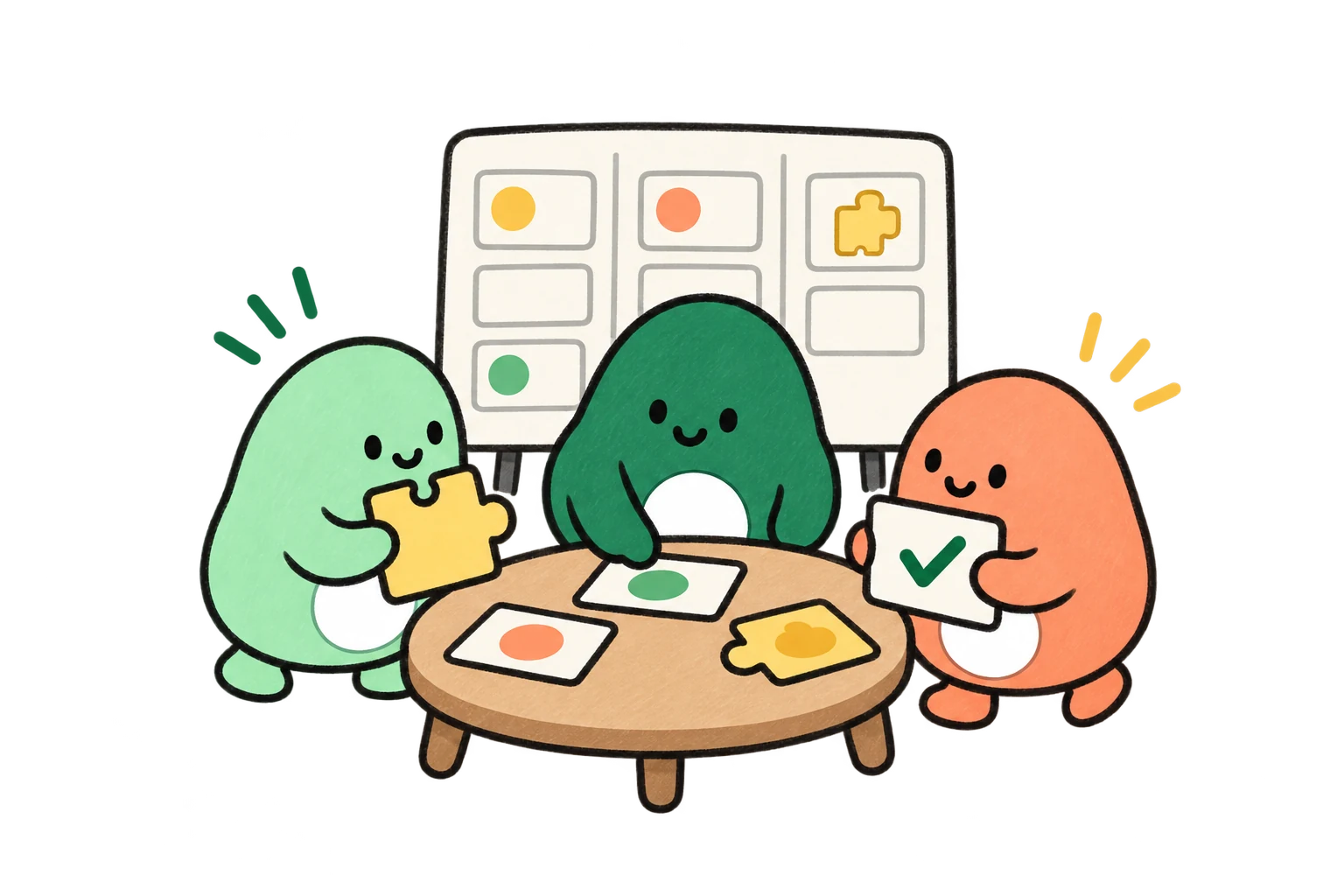
See how the pieces of Lispa work together.
 Claude
- Codex
- Grok
- Gemini
- Open models
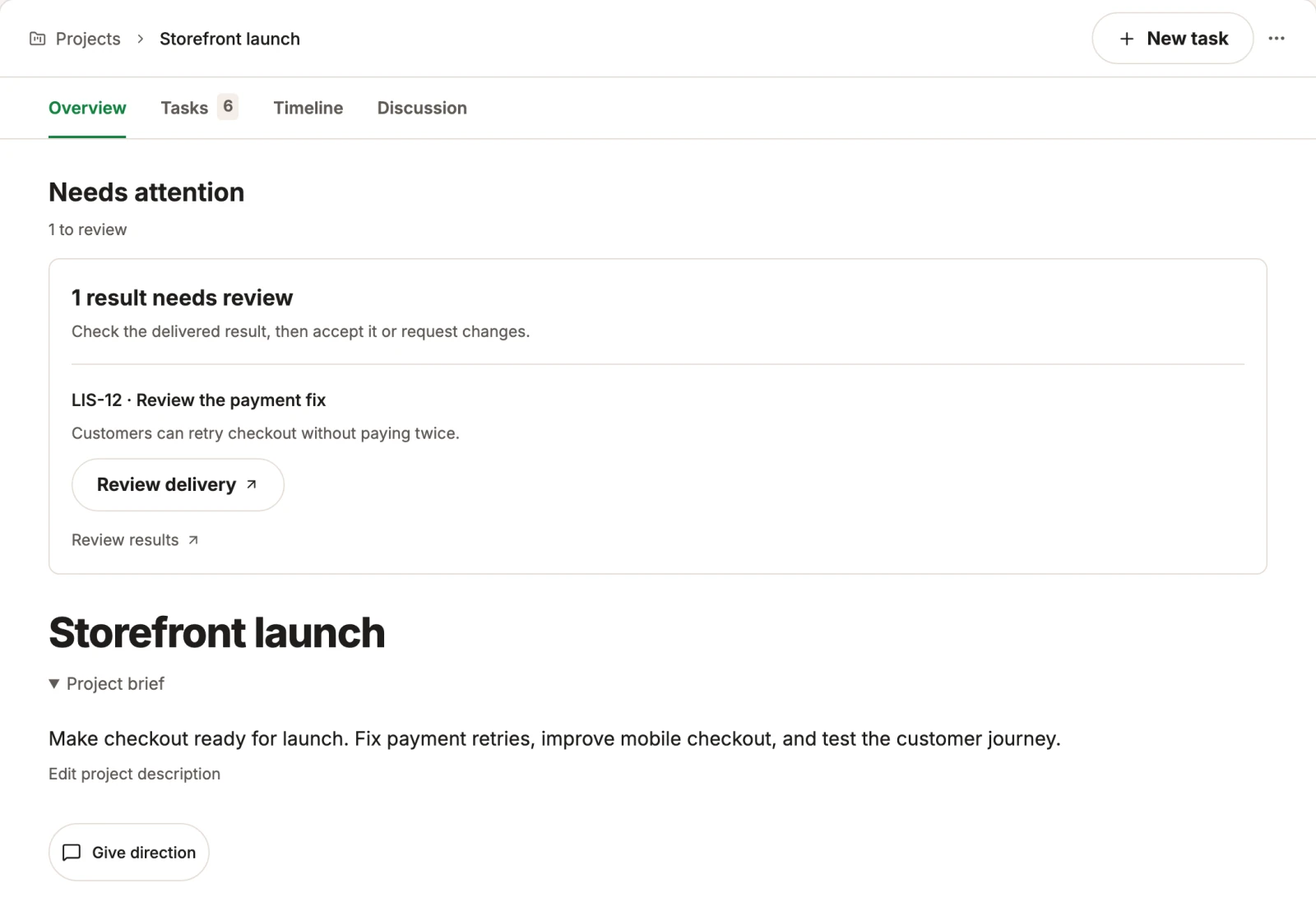
Actual Lispa interface. Fictional demo projects and amounts.
Give the whole job a home.
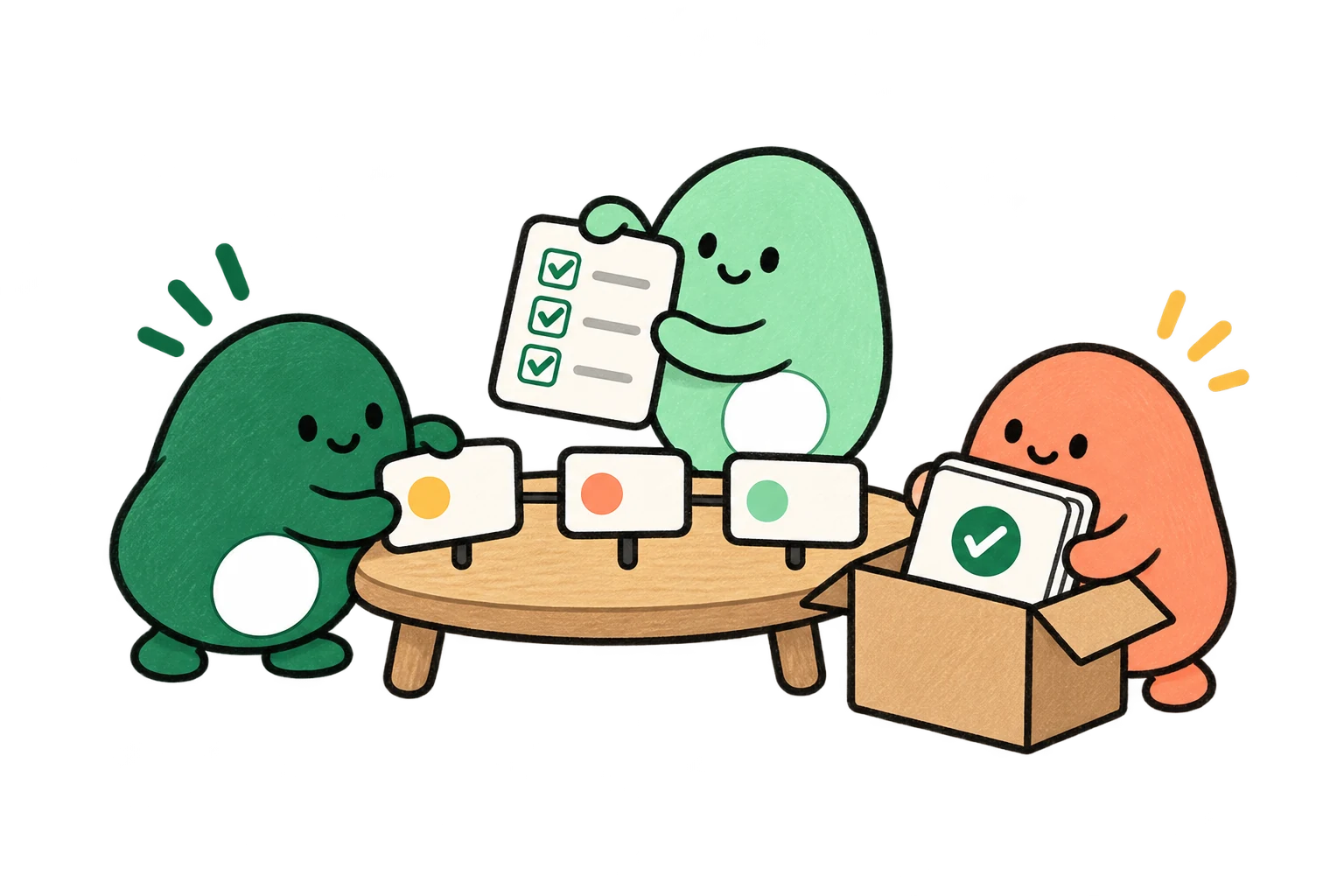
A release has a brief, a pile of fixes, and evidence to collect. Keep them in one project. See what changed, what is still running, and where Lispa needs your decision.
Try it: coordinate a release, prepare the fixes, and bring back the test evidence.
- Claude
- Codex
- Grok
- Gemini
- Open models
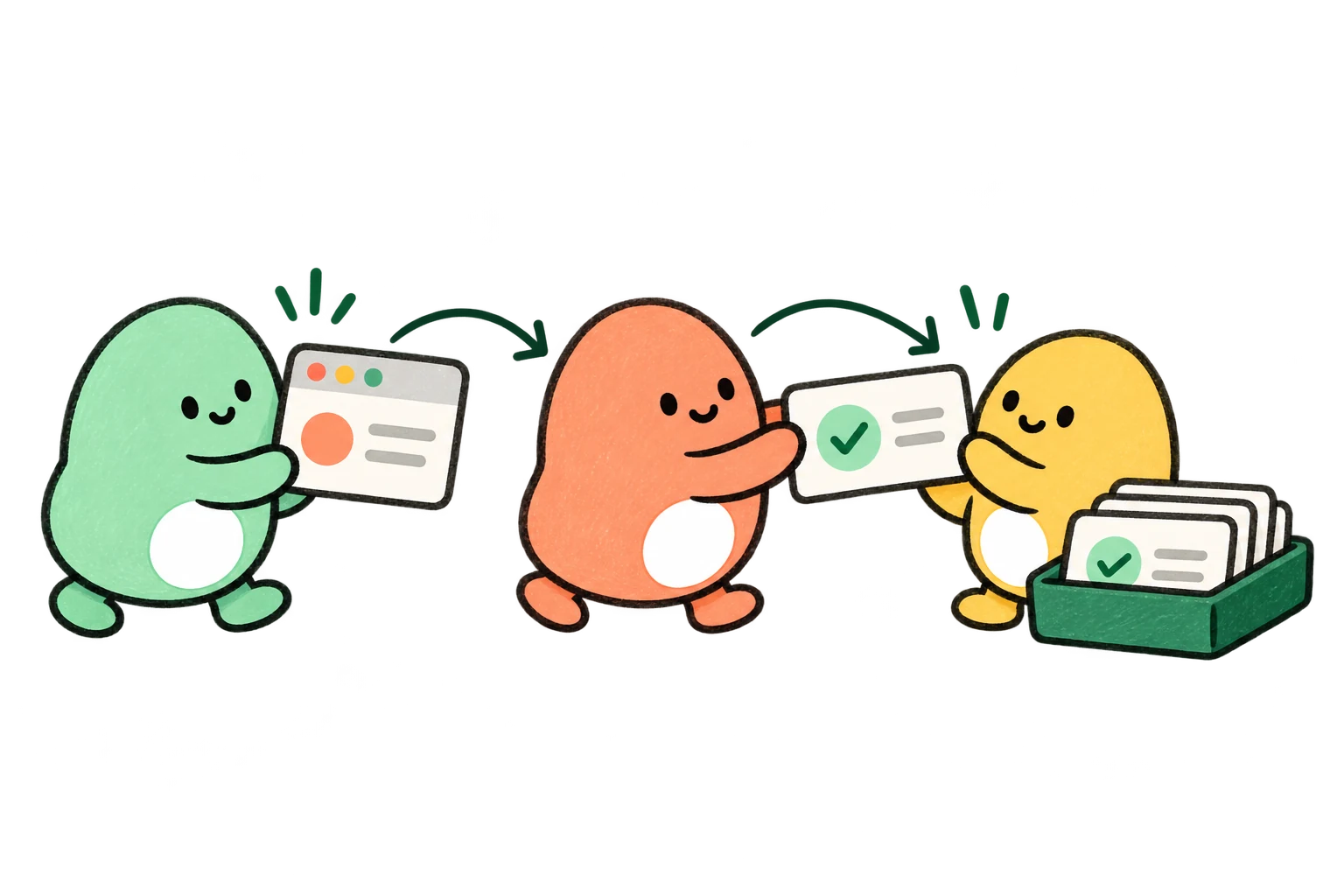
Several conversations. One shared goal.
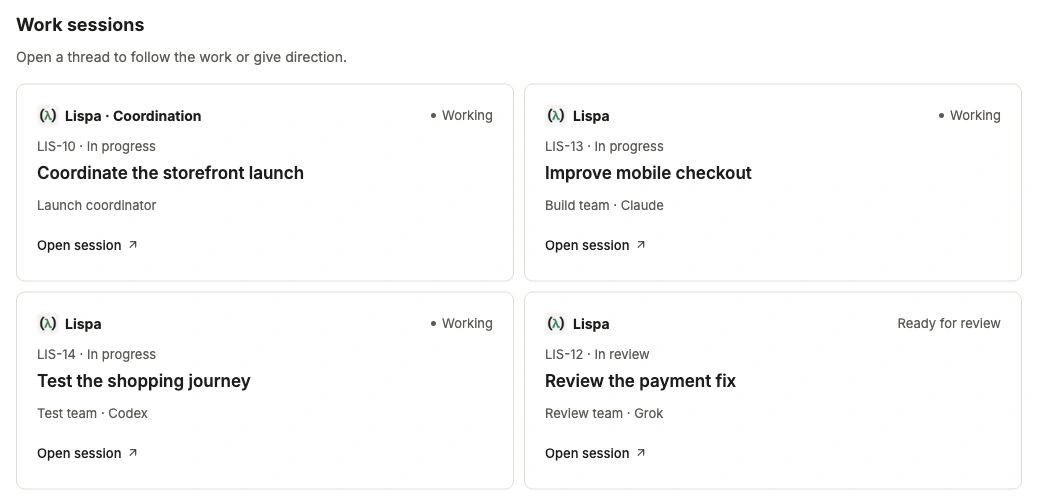
Give a focused piece of work to each agent. Follow the coordinator, the build, and the checks from the project. Open a work session when you want to give more direction.
Chats can share a cloud machine. The terminal, files, changes, artifacts, and browser stay close to the work.
- Claude
- Codex
- Grok
- Gemini
- Open models
Turn the backlog into work you can follow.
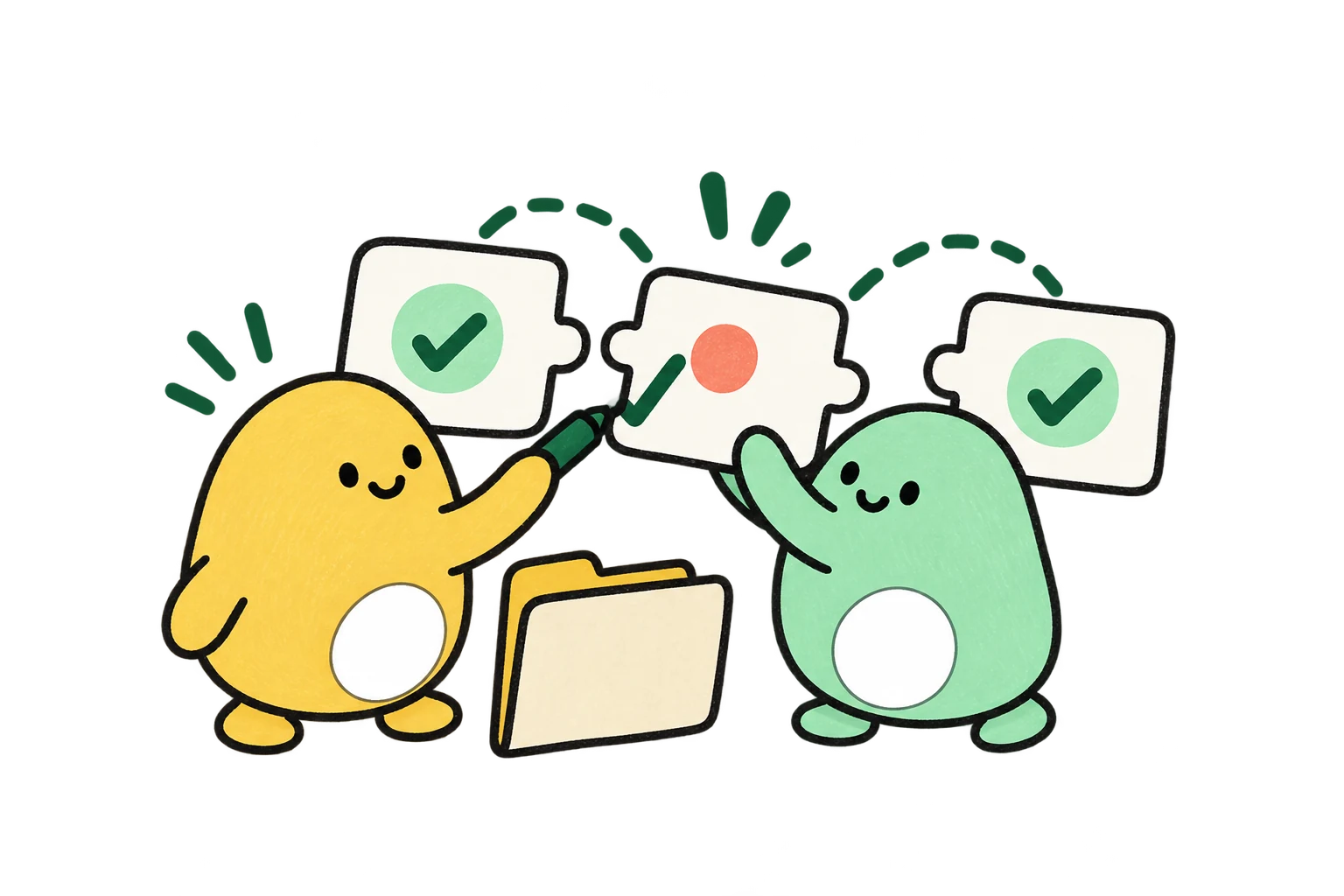
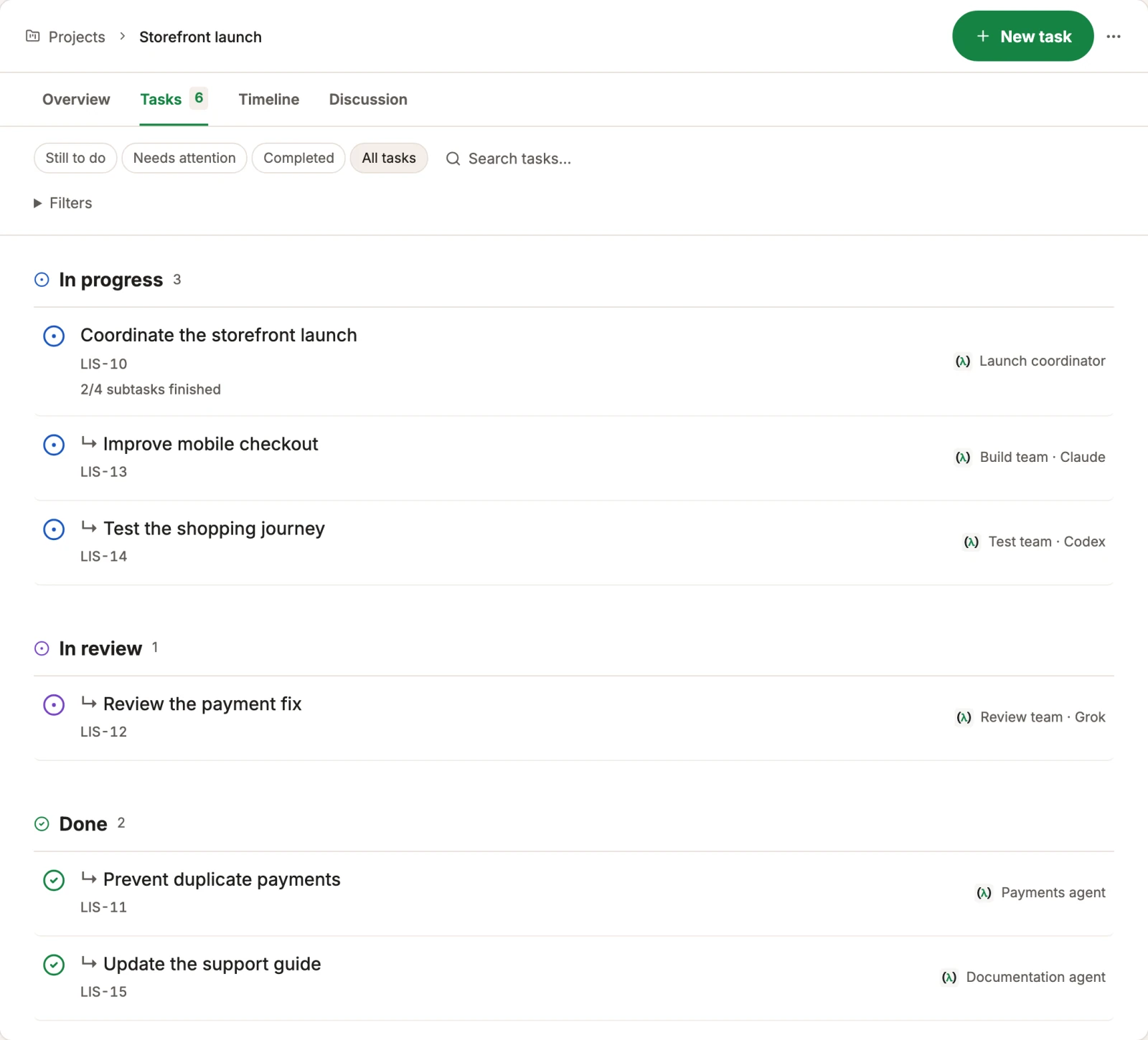
Break a broad request into focused tasks. Keep dependencies, active work, and results in view while agents investigate bugs or work through failing checks.
Try it: reproduce a failure, prepare a focused fix, and add a regression check.
- Claude
- Codex
- Grok
- Gemini
- Open models
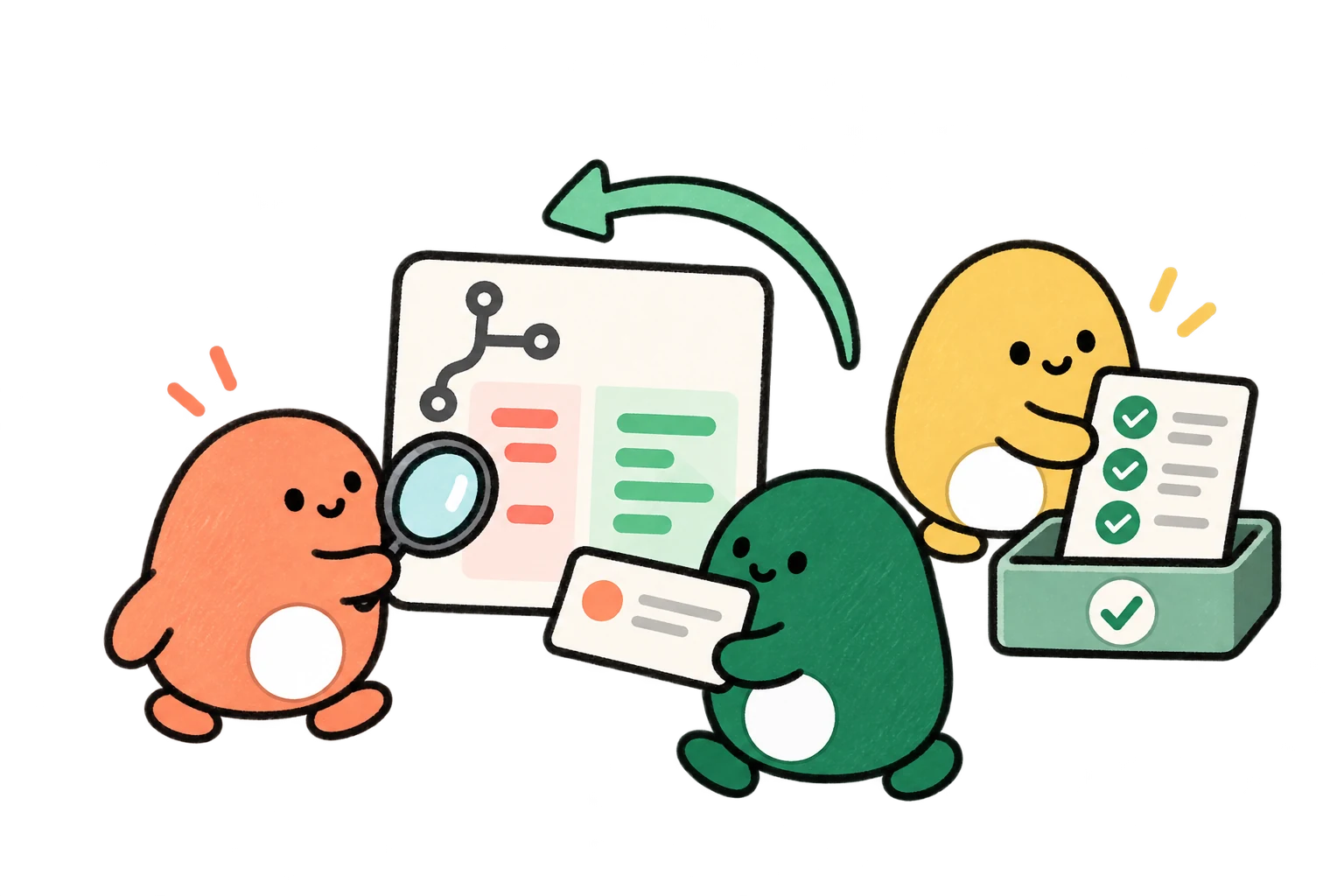
Stay with the change through review.
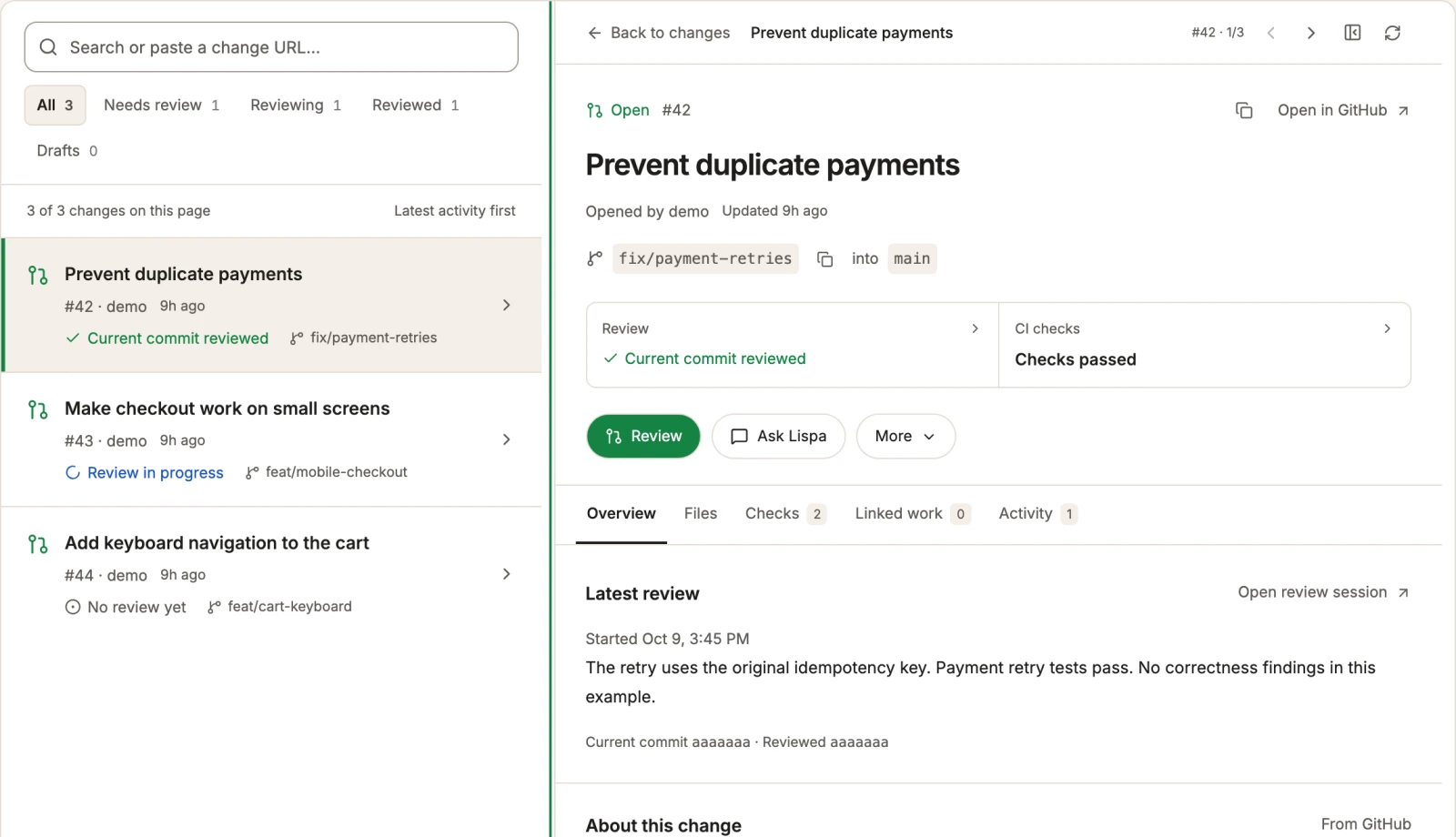
Inspect the change, the latest agent review, and the CI checks together. Ask Lispa to follow up on new commits, address feedback, and keep checking the result.
Your instructions set the scope, including when approval or merging is allowed.
- Claude
- Codex
- Grok
- Gemini
- Open models
Ask for a result you can inspect.
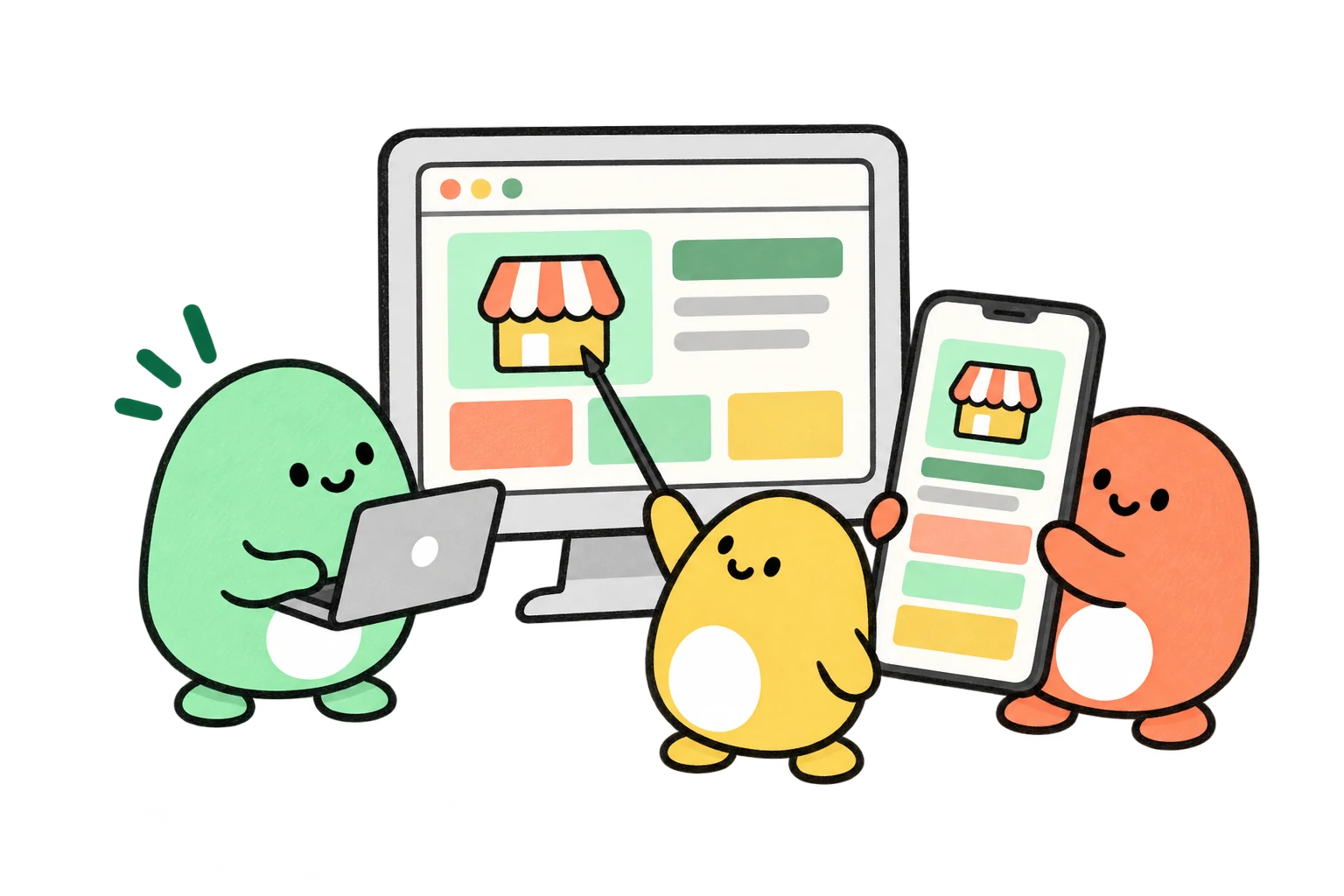
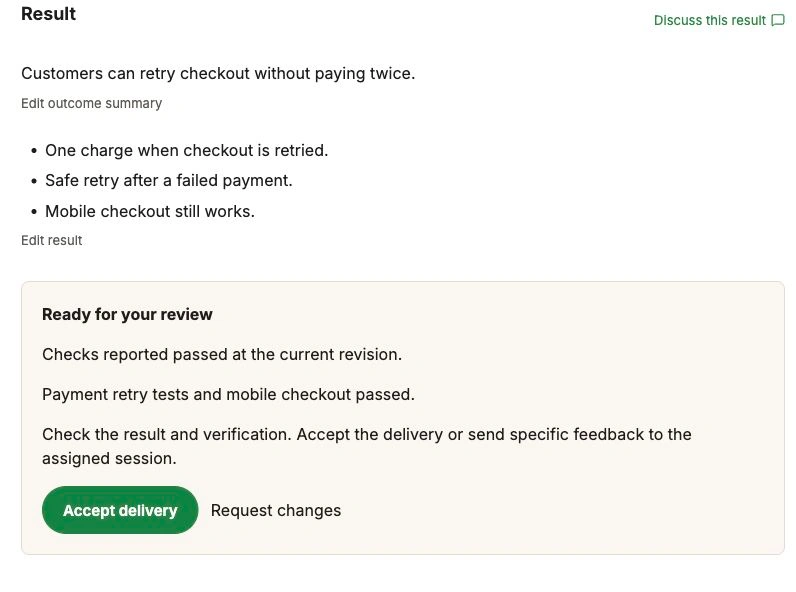
A finished task should bring back more than a message. Ask for the relevant tests, a browser check, and screenshots of what changed. Keep the evidence beside the delivery.
Check the real flow, including the phone layout, before deciding what is ready.
- Claude
- Codex
- Grok
- Gemini
- Open models
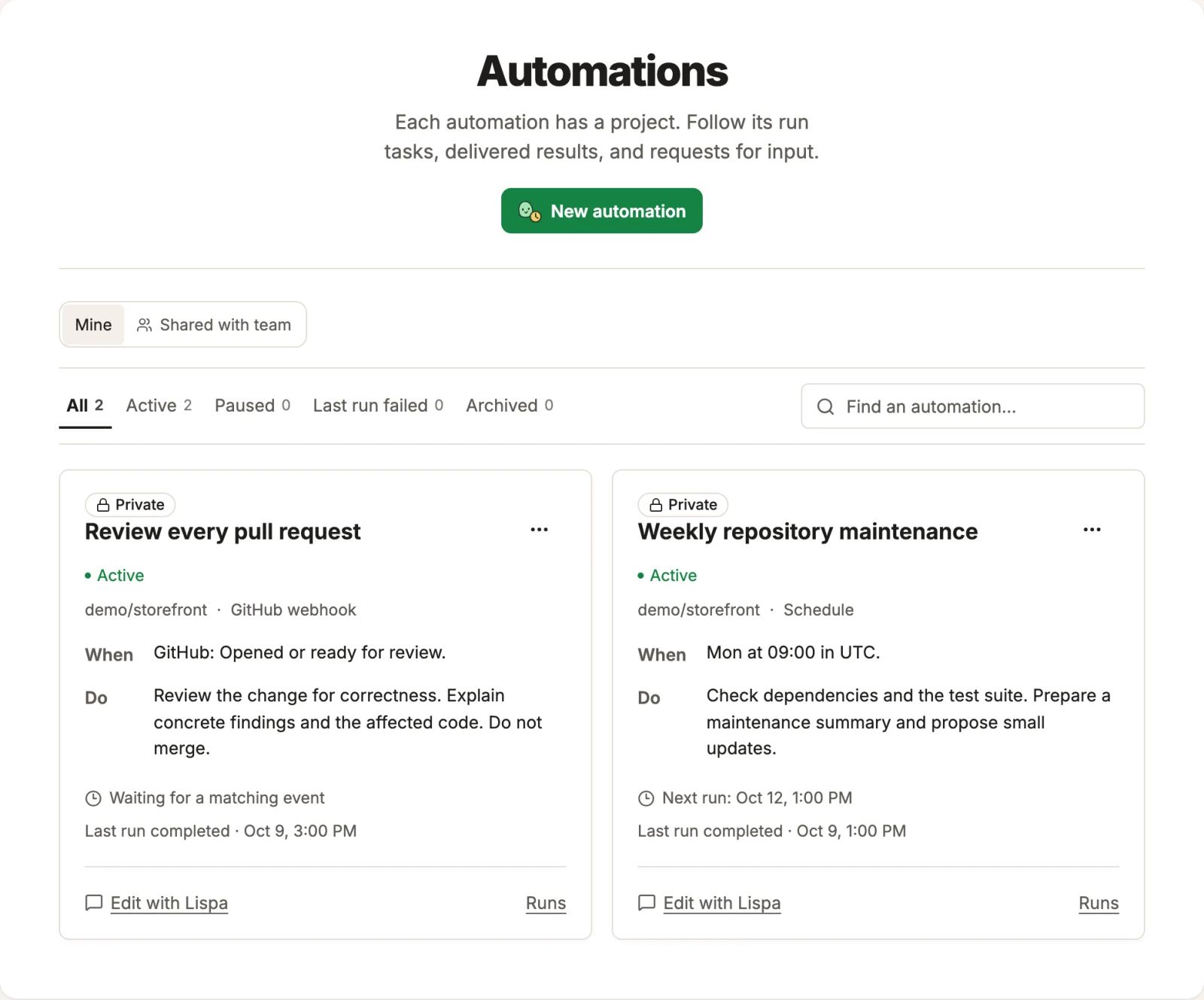
Give the repeat work a routine.
Review new changes or run a maintenance pass on a schedule. Each automation keeps its instructions, trigger, runs, and project together. Pause the routine when you need to.
Try it: look for updated pull requests, review the new commits, and keep a record of each run.

- Claude
- Codex
- Grok
- Gemini
- Open models
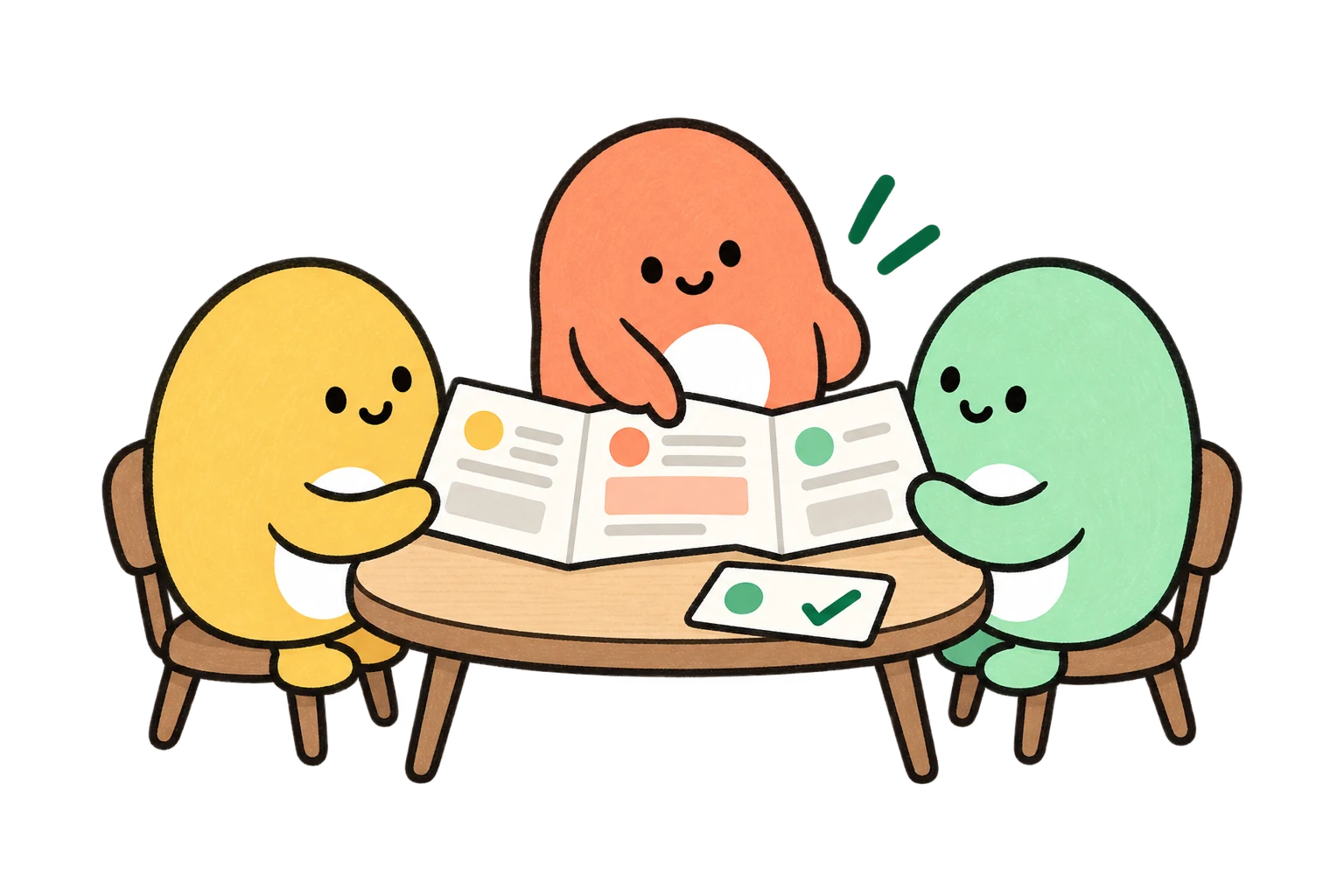
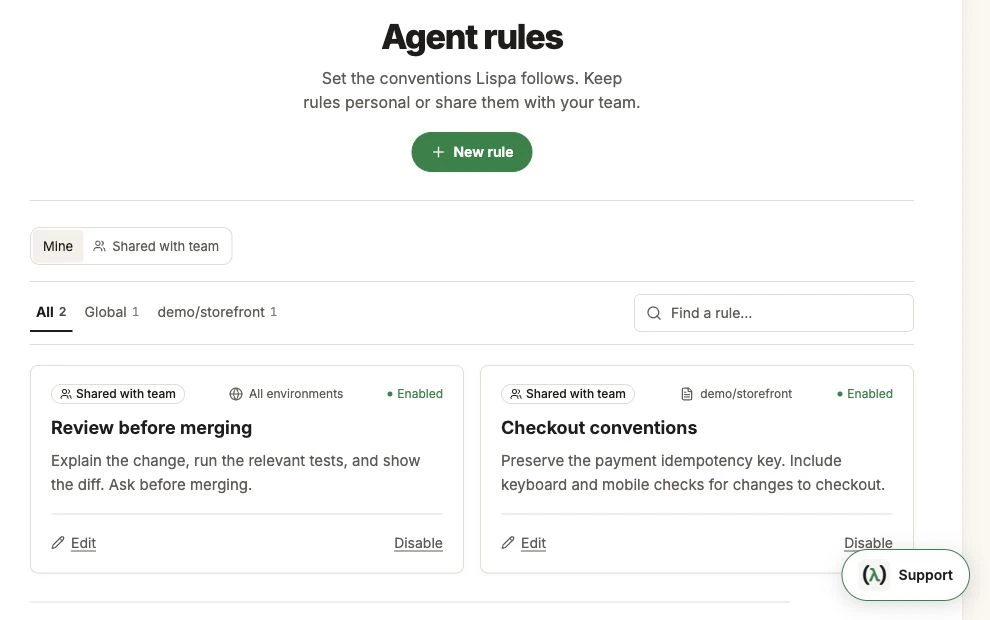
Explain your way of working once.
Set the conventions you would otherwise repeat in every chat: how to review code, which checks matter, and what needs your approval. Keep rules personal or share them with the team.
Use global rules for your defaults and repository rules for the details of a particular codebase.
- Claude
- Codex
- Grok
- Gemini
- Open models
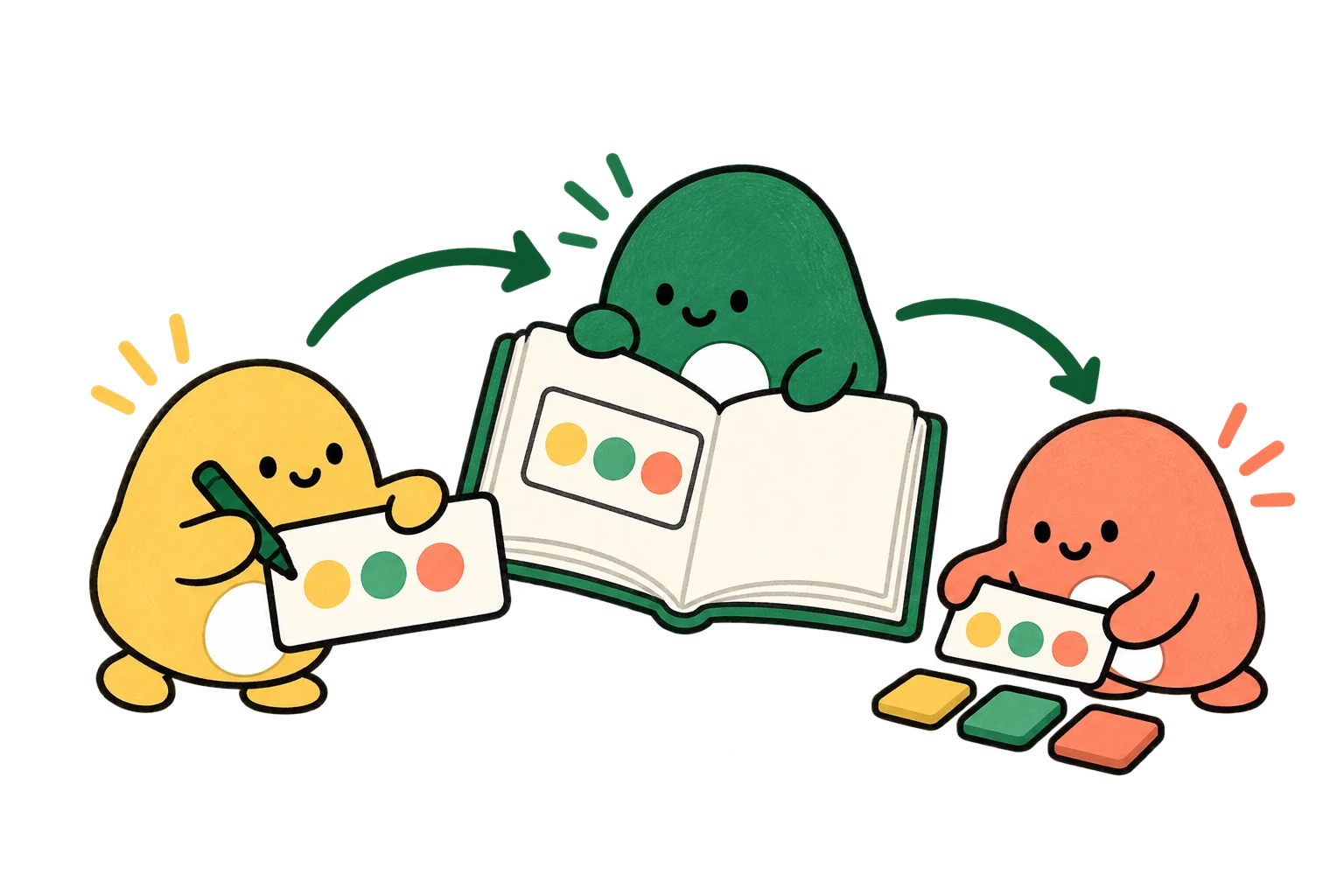
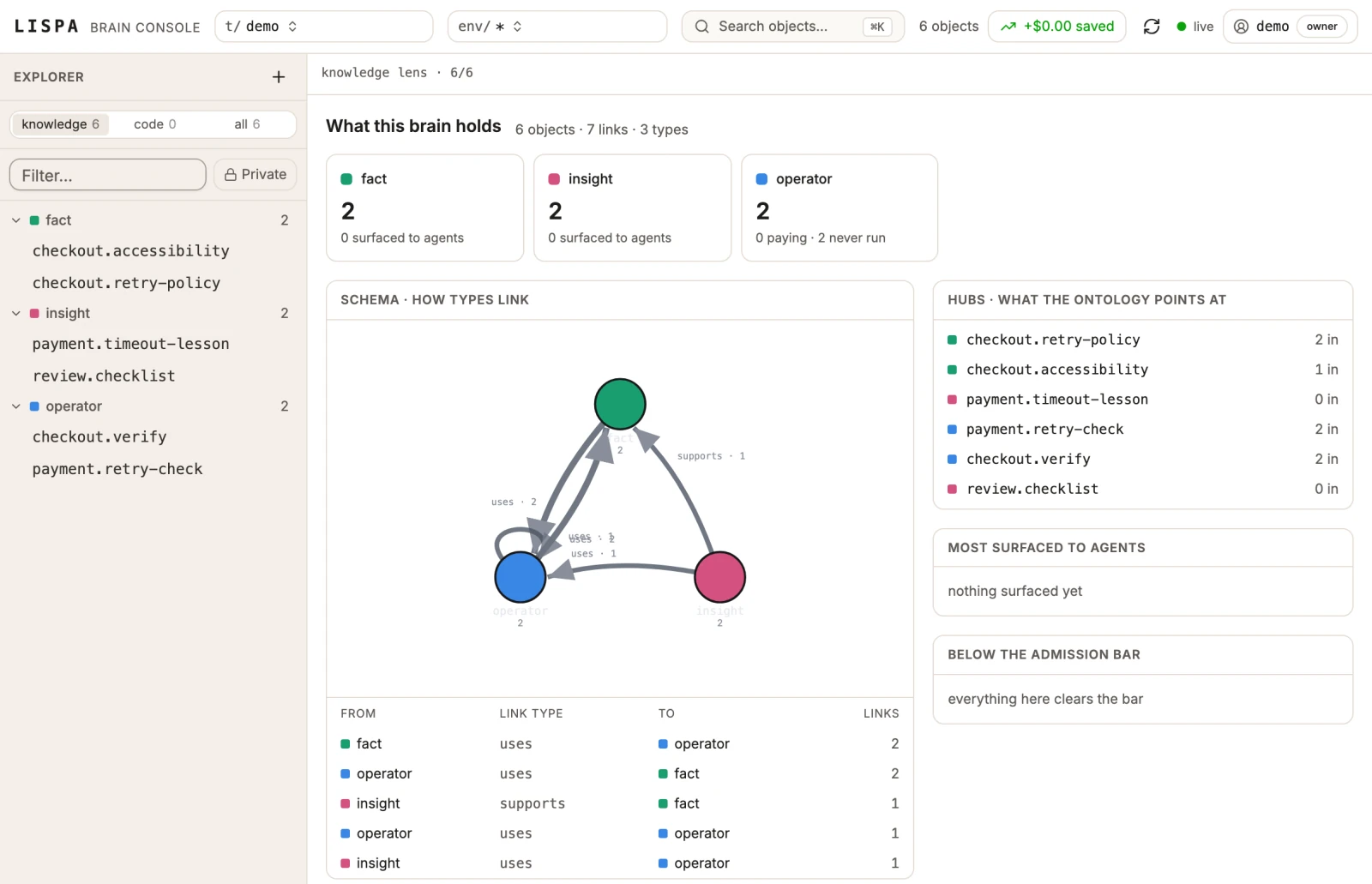
Leave useful knowledge for the next task.
Keep repository facts, lessons, and reusable commands connected. Let the next piece of work start with what the team has already learned.
Explore the stored knowledge and its relationships, from a testing convention to a reusable verification command.
- Claude
- Codex
- Grok
- Gemini
- Open models
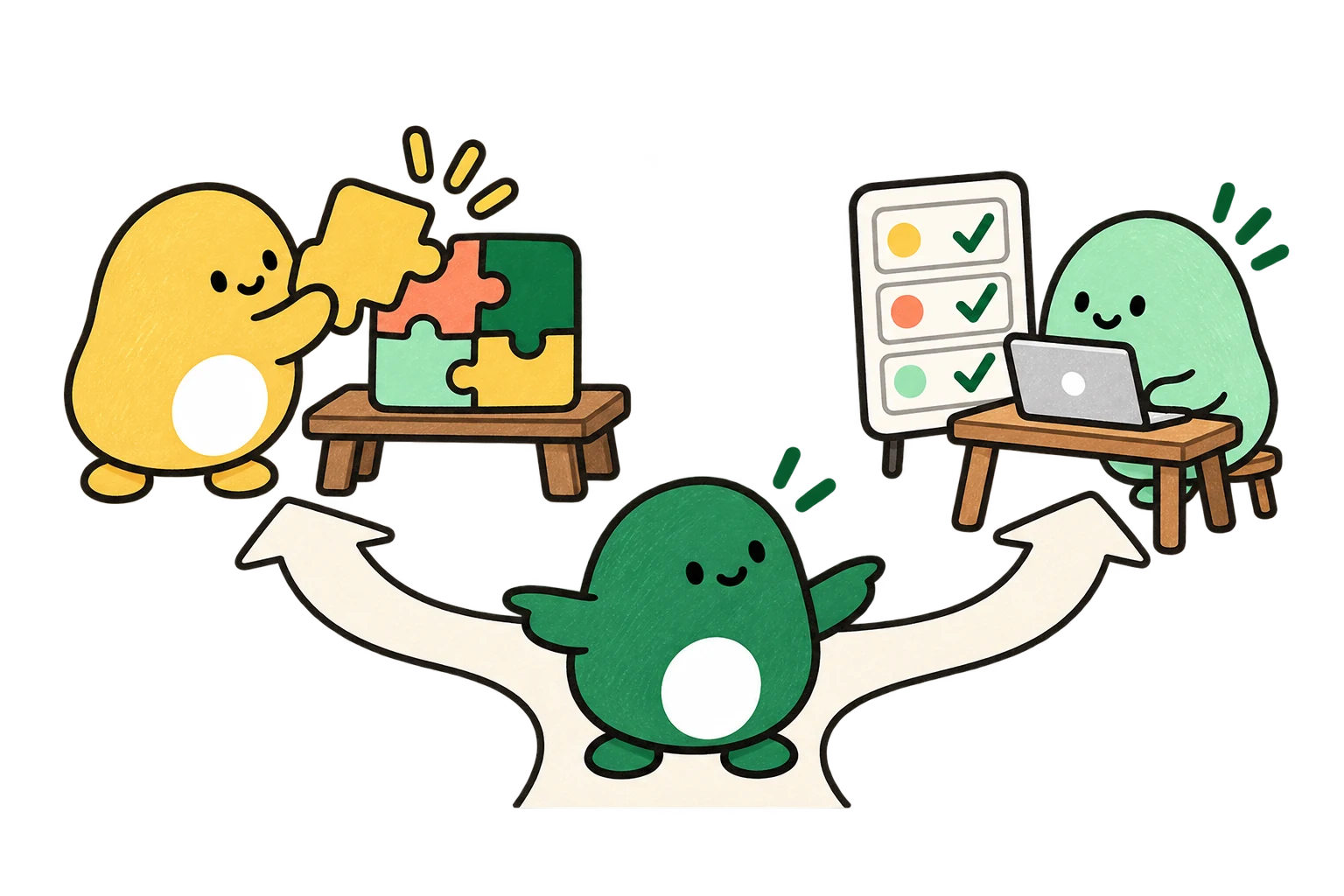
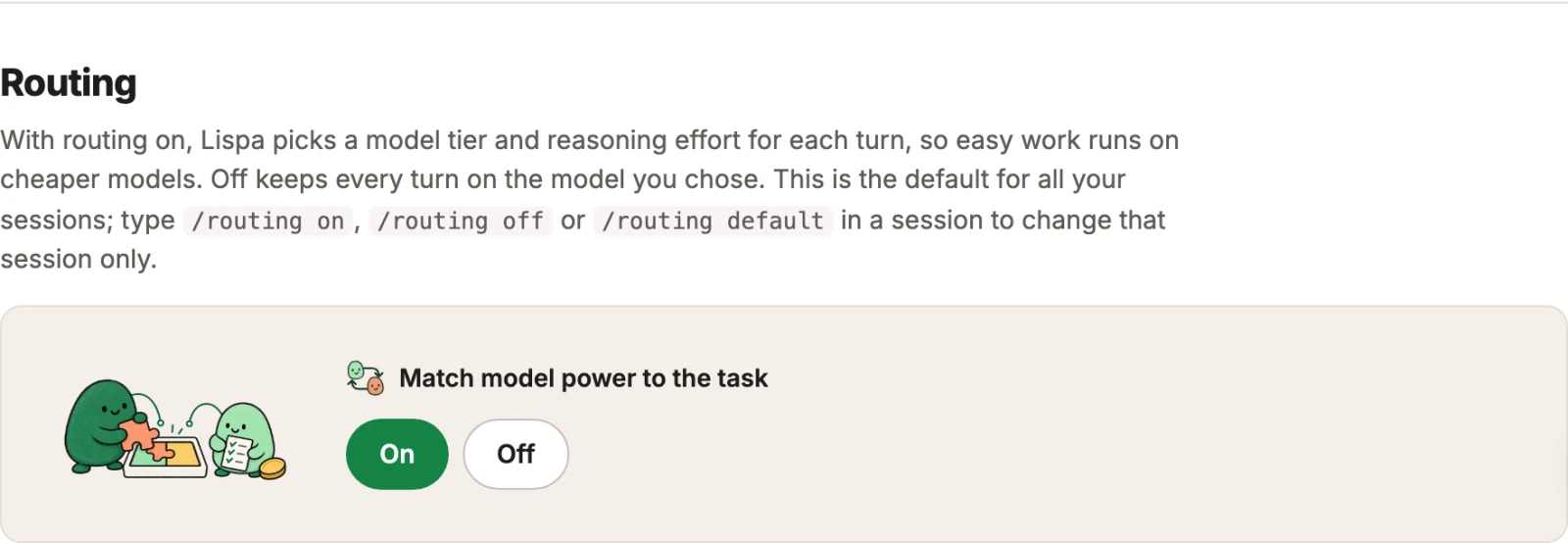
Keep your models. Choose how they work.
Use supported connected plans or API keys, or Lispa’s models with credits. Let automatic routing choose model power and reasoning effort for a turn, or keep the model you picked.
Set a default and adjust individual sessions. Provider limits and Lispa service charges still apply.
- Claude
- Codex
- Grok
- Gemini
- Open models
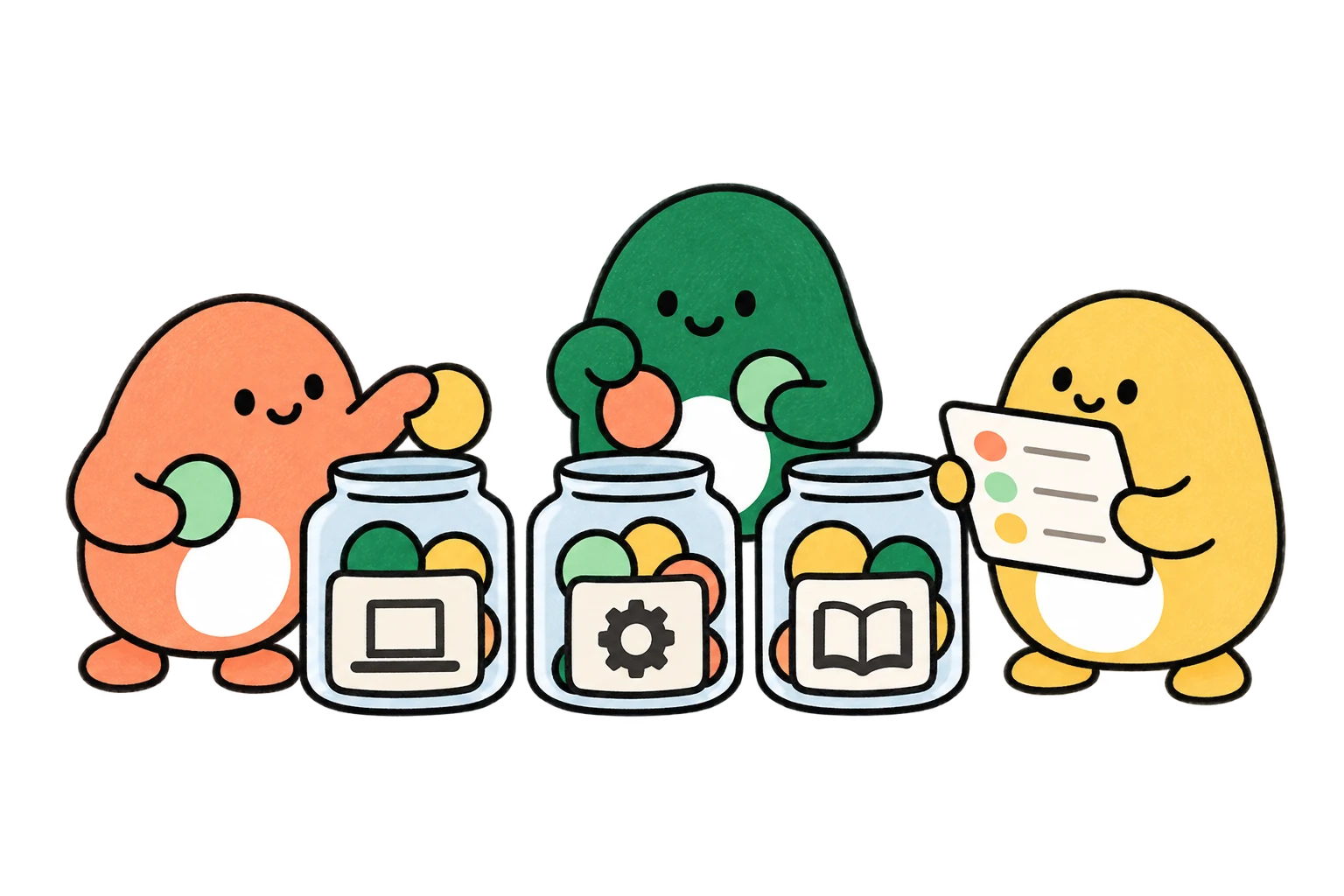
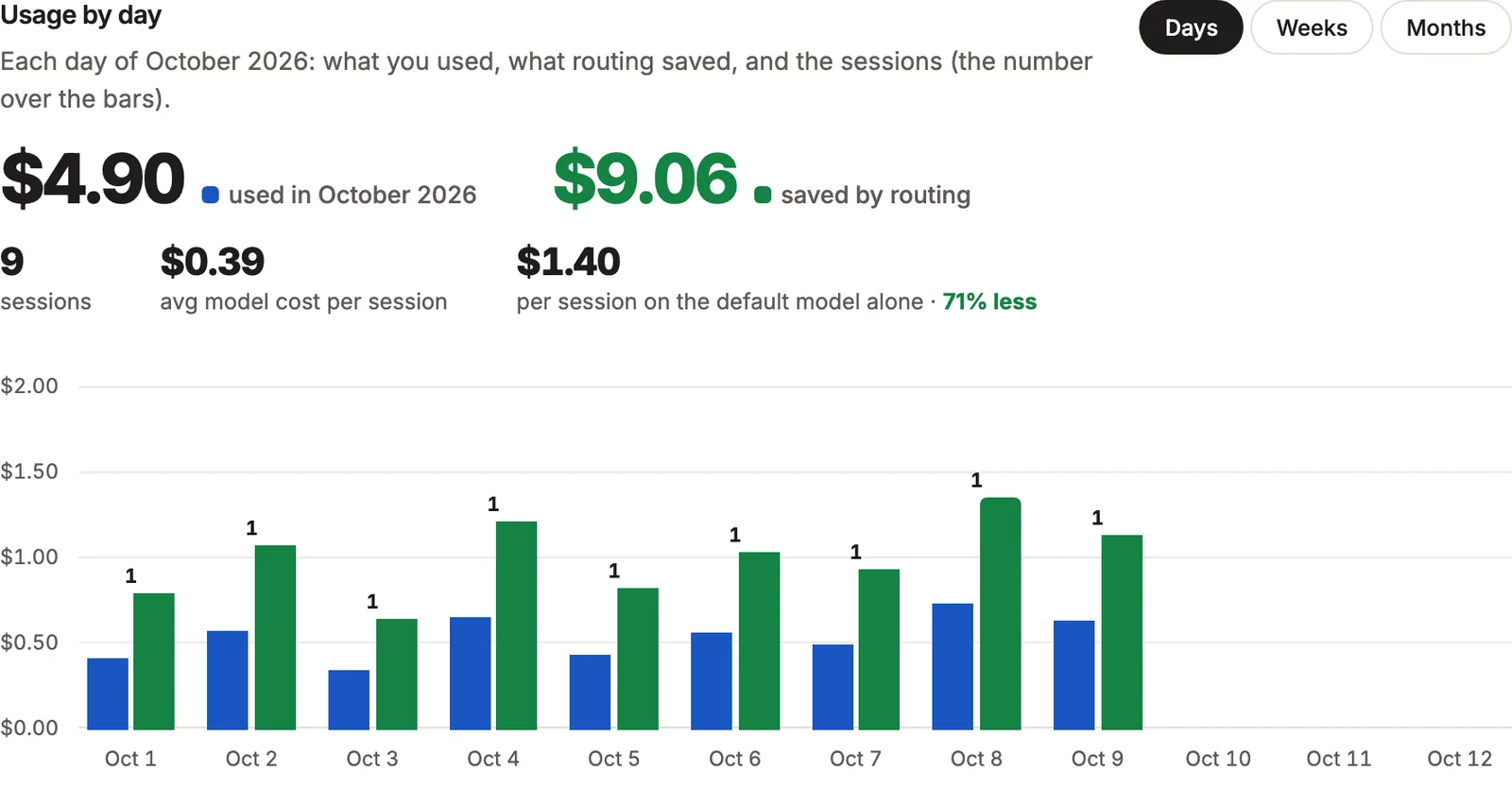
See the cost alongside the work.
Follow usage over time, session counts, and estimated routing savings. Open the account view to understand where credits went and how the work adds up.
The amounts shown here are fictional. Routing savings compare API-price estimates; they are not bills or promised savings.
- Claude
- Codex
- Grok
- Gemini
- Open models
The product works on itself, too.
This dashboard was built in Lispa. The screenshot renders the delivered component with fictional counts. It is one example of the work an agent can bring back for you to inspect.
See the feature development workflow →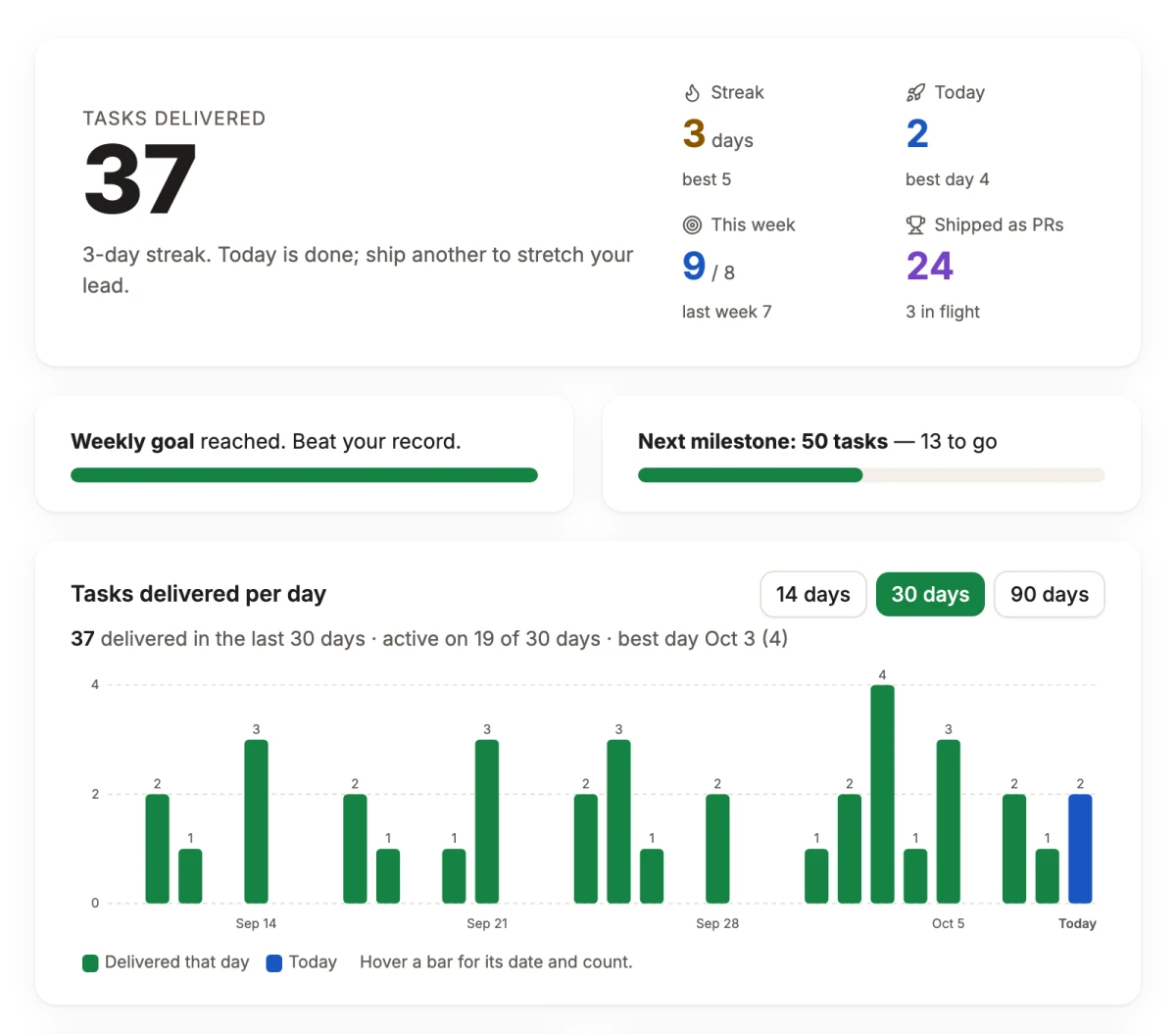
What would you like
off your plate?
Connect a repository. Give Lispa a clear goal.
Come back to work you can review.
From $20/month with $20 in usage credits.
Paid plan required to run tasks.