

Pro
More room for everyday work.
$100 / month
105 credits included monthly
- Unlimited members
- Cloud coding agents
- All models you connect
- Projects and automations
- Shared repository knowledge
Run teams of coding agents in parallel.
Ship more. Spend less.

Your agents. One workspace.
 Claude Code
 Codex
 Cursor
 Grok
 Gemini
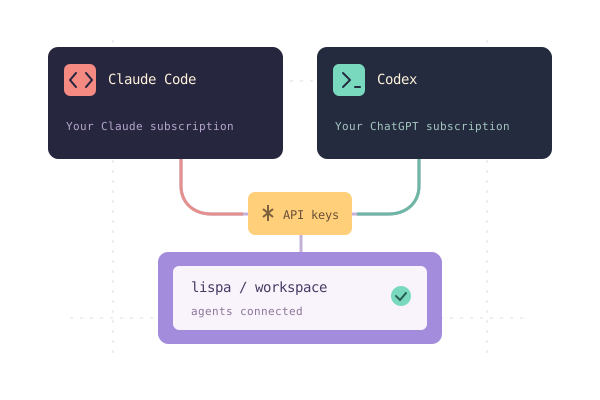
Connect your Claude or ChatGPT subscription. Mix in open models. API keys work too.
Provider limits apply. Machines and Lispa services use credits.
See what’s included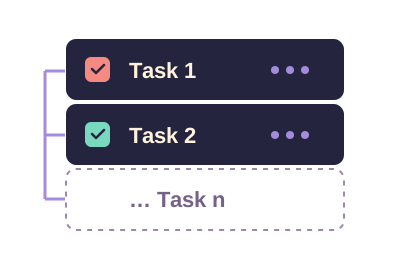
Connect a repo. Give each team a task.
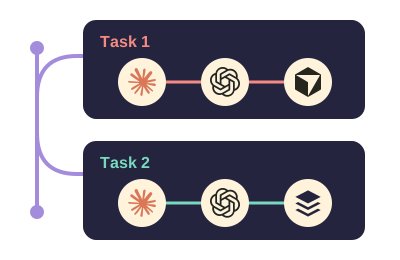
Choose the agents in each team. Tasks run on separate branches.
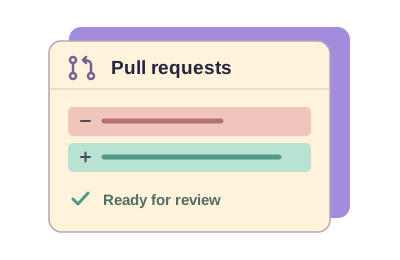
Inspect the diff, tests, and browser checks. Approve what ships.
Track every task and review from your browser.
Actual Lispa interface · Fictional demo data
Look inside the workspace ↓ · Explore the full illustrated walkthrough
Reproduce [bug] on [branch]. Add a regression test, fix the cause, and run the relevant checks. Show the diff and test output. Do not merge.
Add tests for [module], including error cases and edge cases. Run the relevant suite and show which behaviors are now covered. Do not change production code or merge.
Review the diff from [base] to [branch] for correctness bugs. Check each finding against the code, explain the failure case, and suggest a fix. Do not edit or merge.
Fill in the brackets. Paste into your first chat. Read the first-task guide and review checklist.
Pro: $100/month with 105 usage credits and unlimited members.
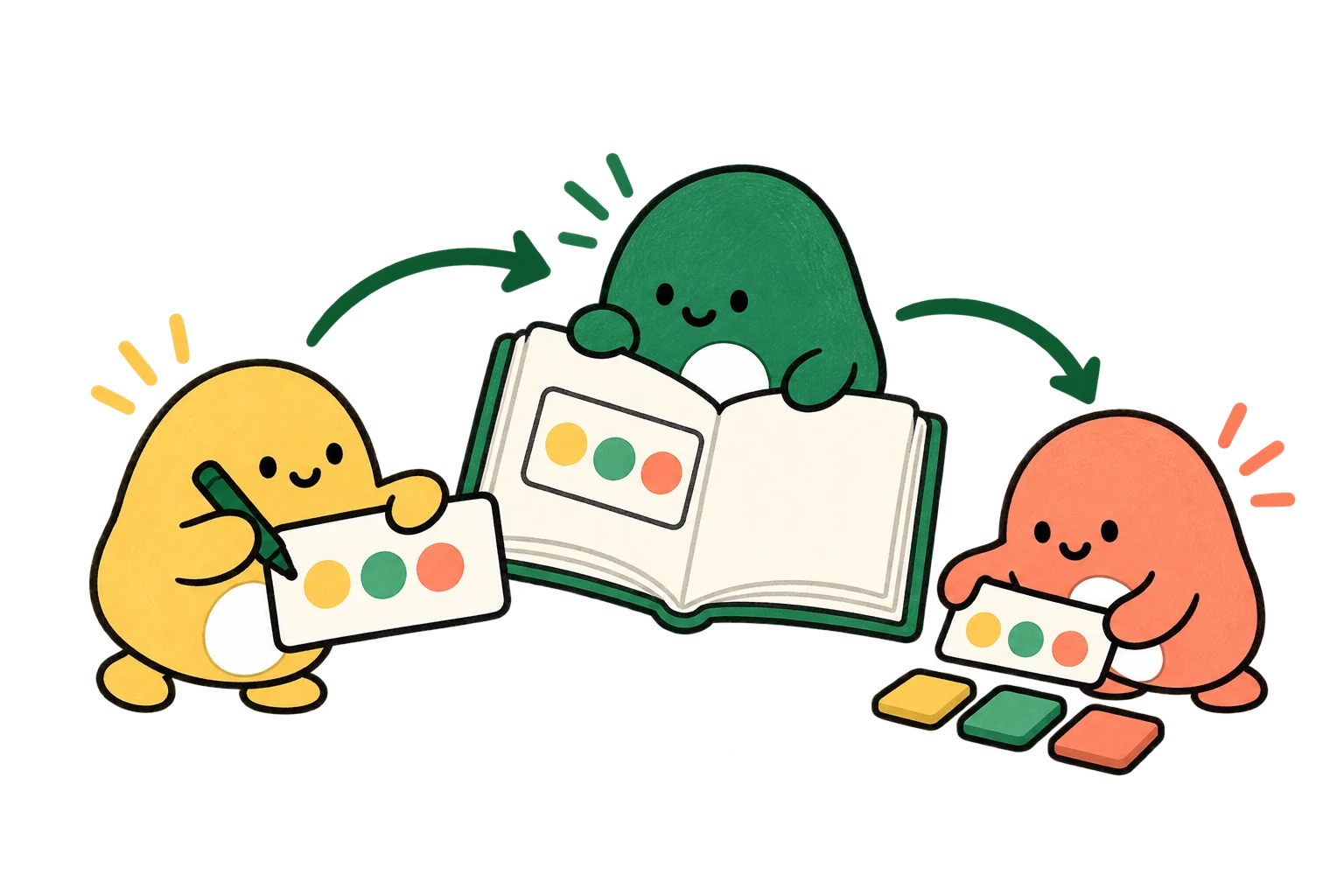
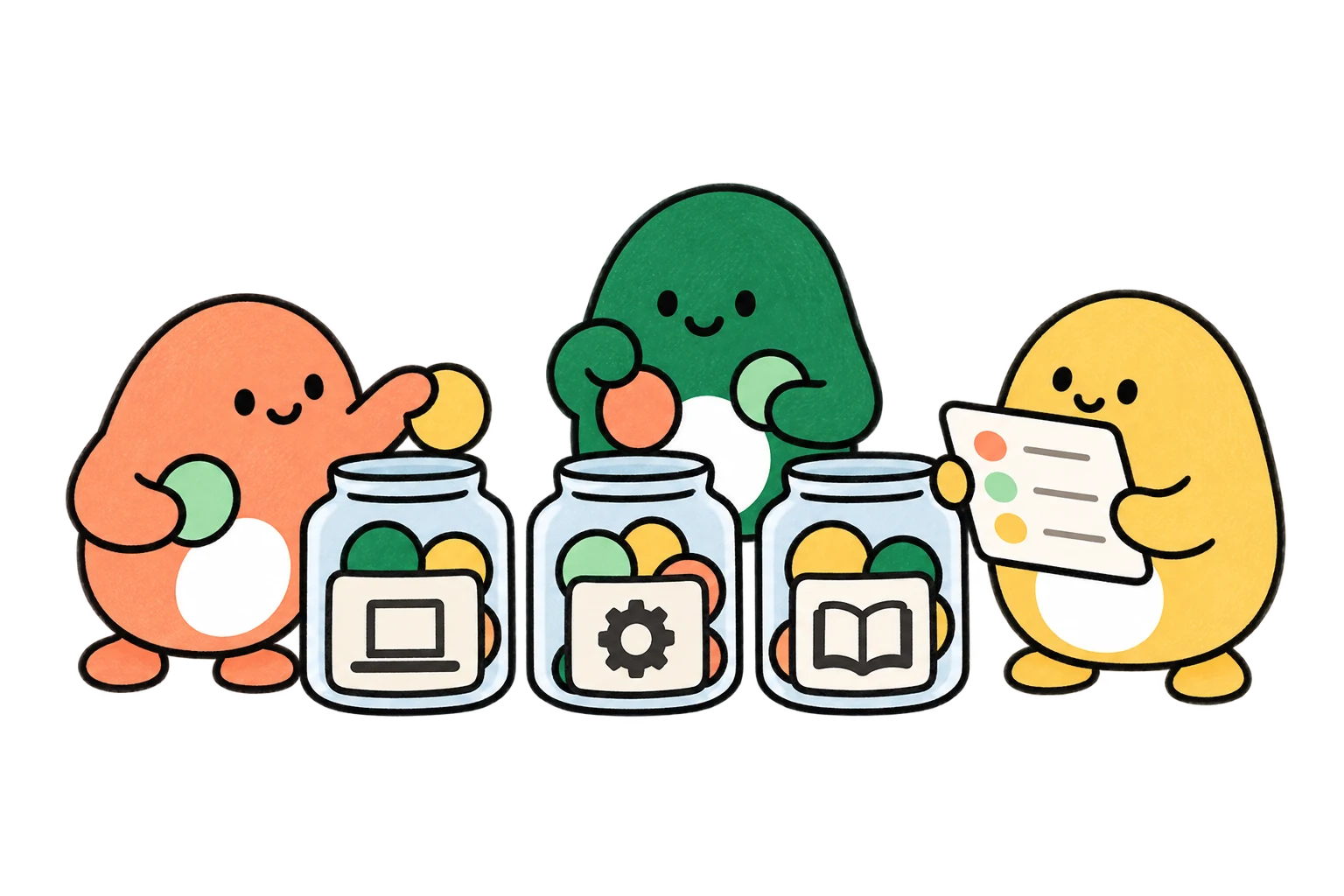
Save your rules and test commands. The next agent picks them up.
See how it works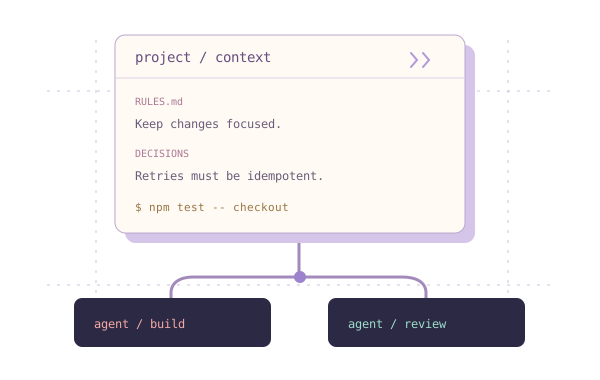
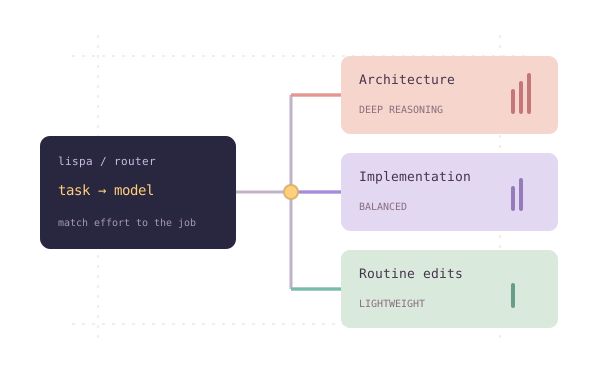
Choose a model per task, or let Lispa route the work.
See plans and usage rates$1.45
model calls for nine benchmark tasks
$0.18
model calls for the same nine tasks
88% lower model cost in the routing v5 benchmark, with the same checks passed.
Historical internal development benchmark, routing v5: nine tasks, one repeat, Opus as the session model and GLM 5.3 at low effort as the balanced tier. Model costs only; Lispa fees and machines are excluded. This is not a current-product benchmark or a promise about quality, speed, or your total bill. Actual savings depend on the task, selected models, cache use, and connected plans. Your results will vary.
The in-product savings comparison prices the same completed tokens at your default model’s API rates. It does not measure a reduction in your subscription bill.
From the first brief to the next useful lesson. Take a look around the workspace.
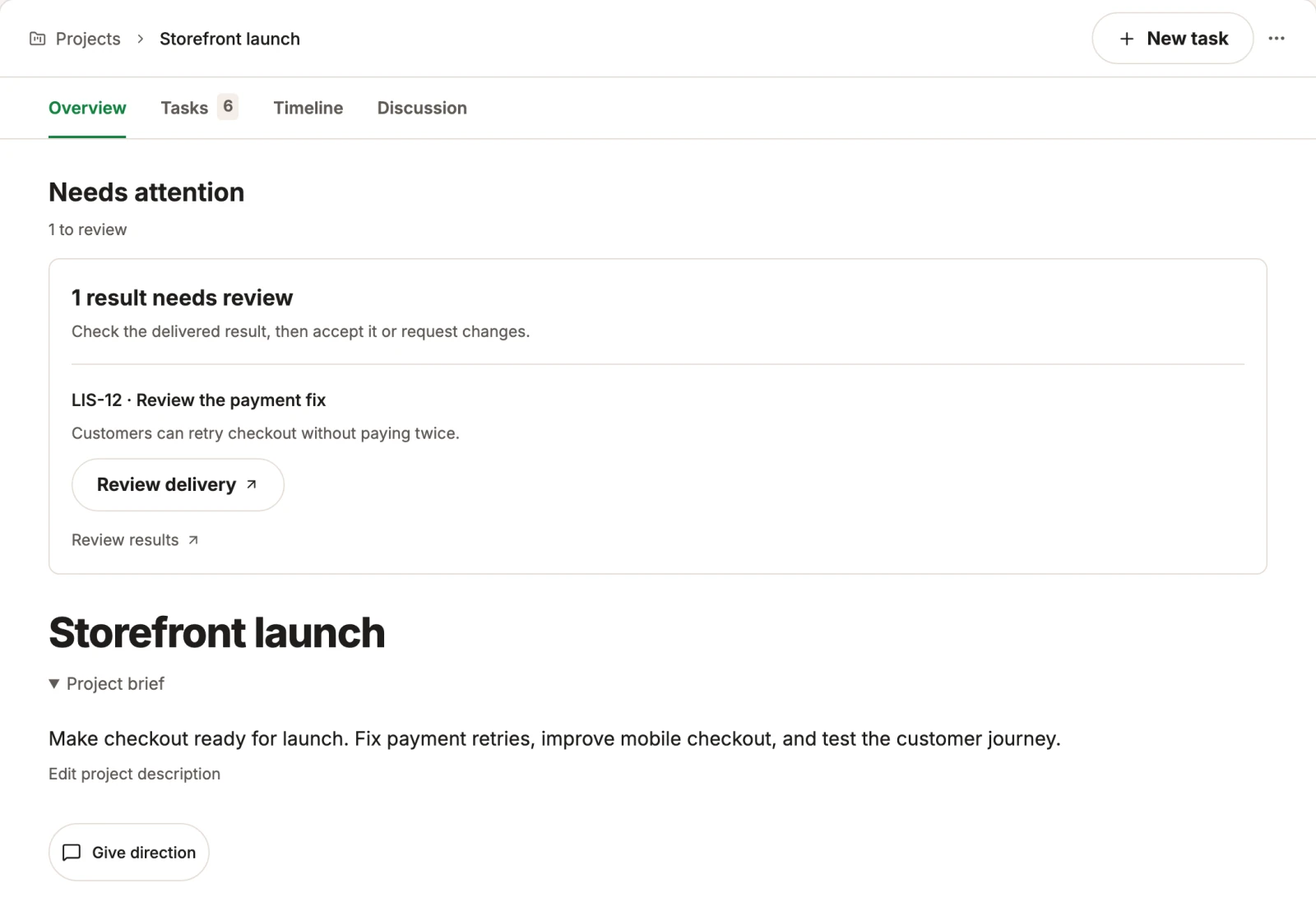
Explore the full illustrated walkthroughKeep the brief, the work in progress, and the results ready for review together. Give direction without starting the explanation again.
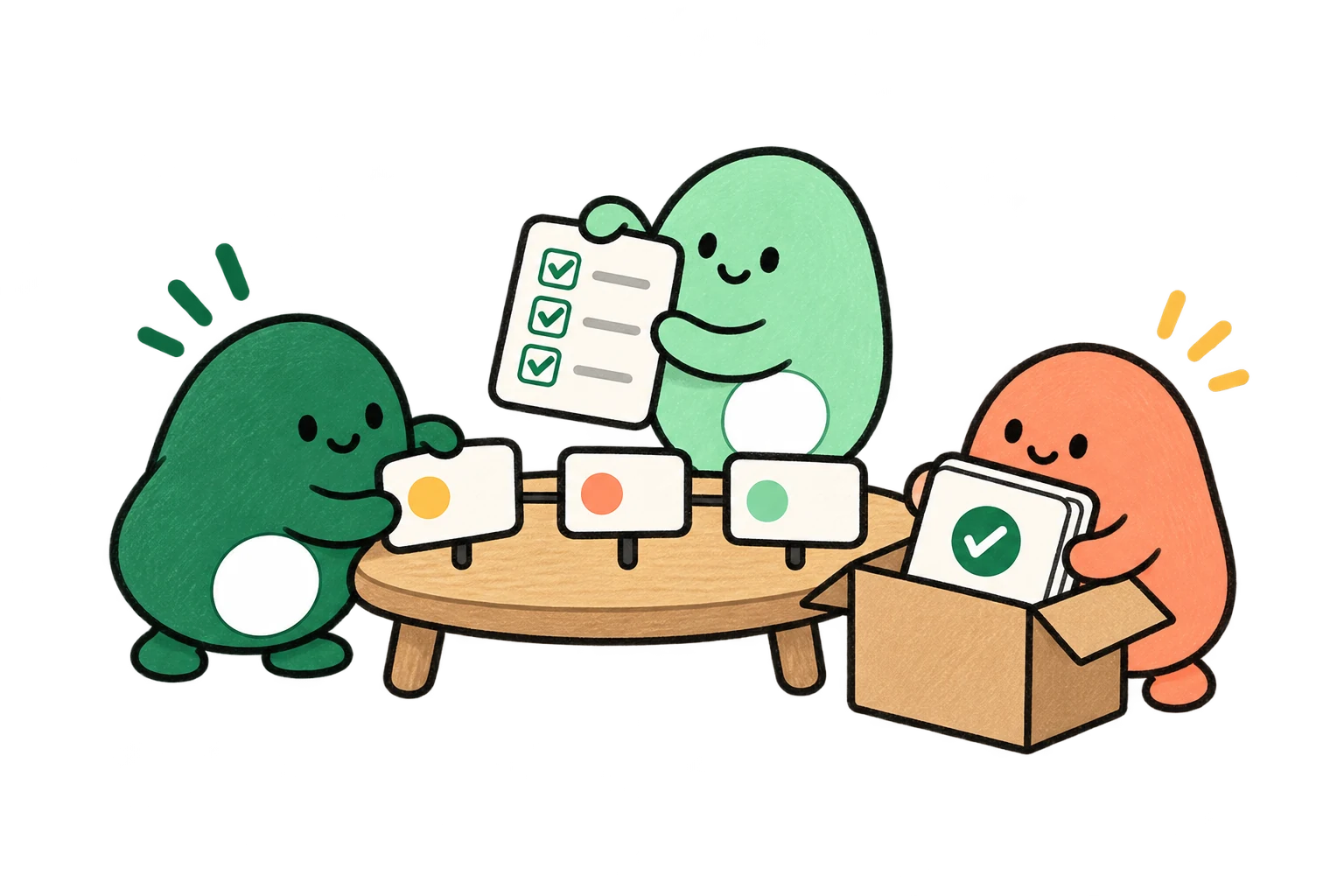
 Claude
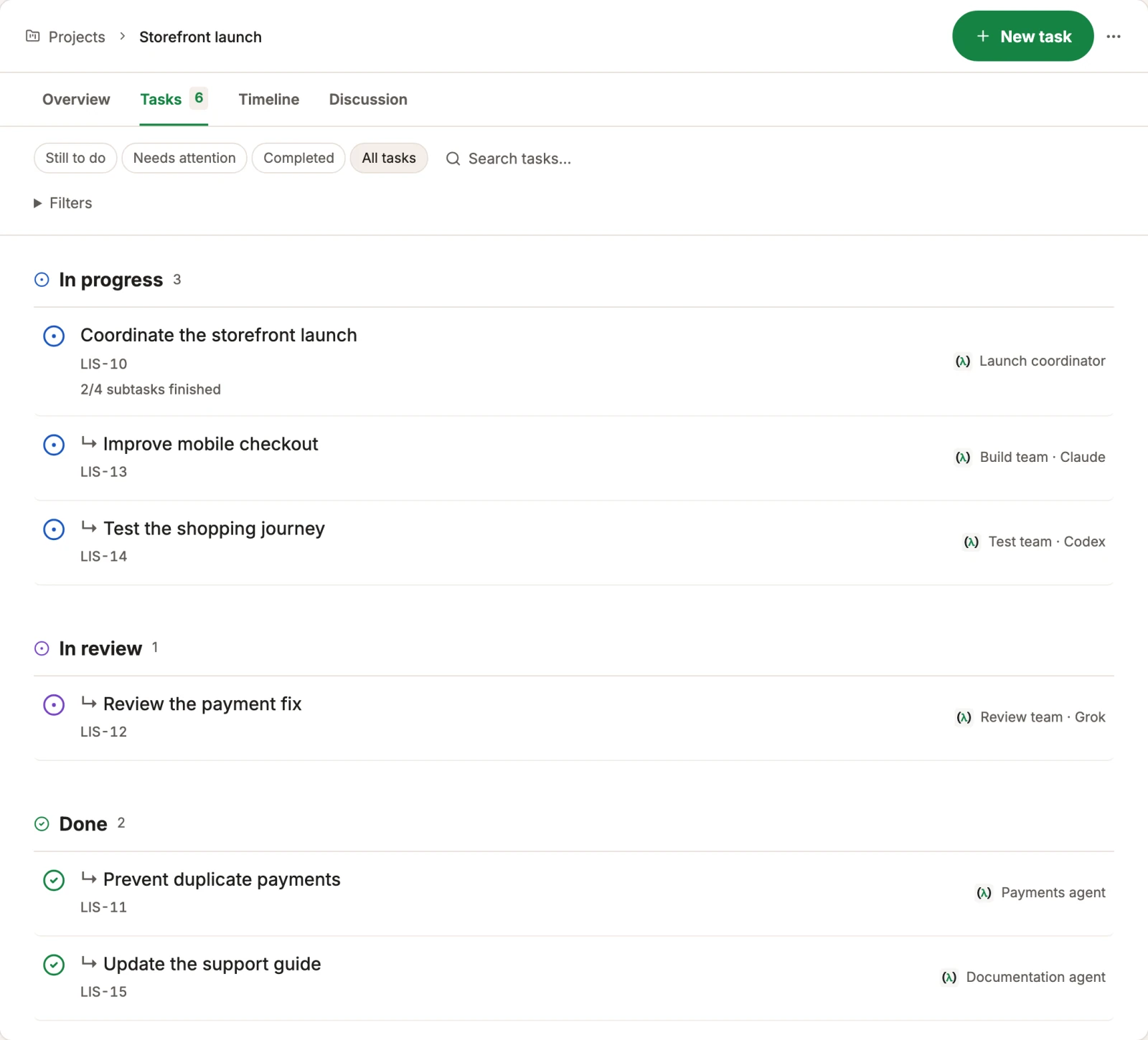
See who is working on each task, which work depends on it, and what is ready for your review. The small pieces stay connected to the goal.
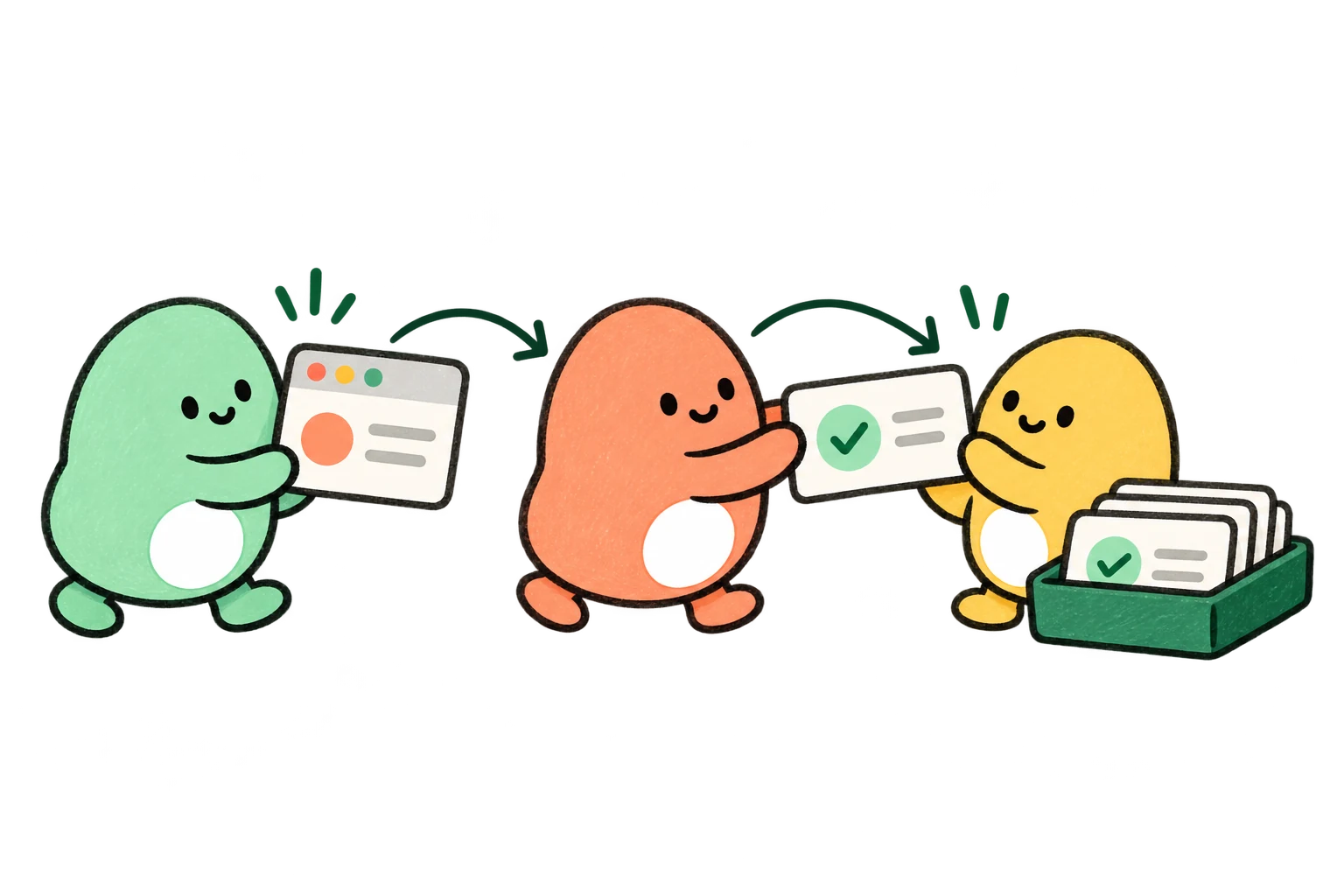 Claude
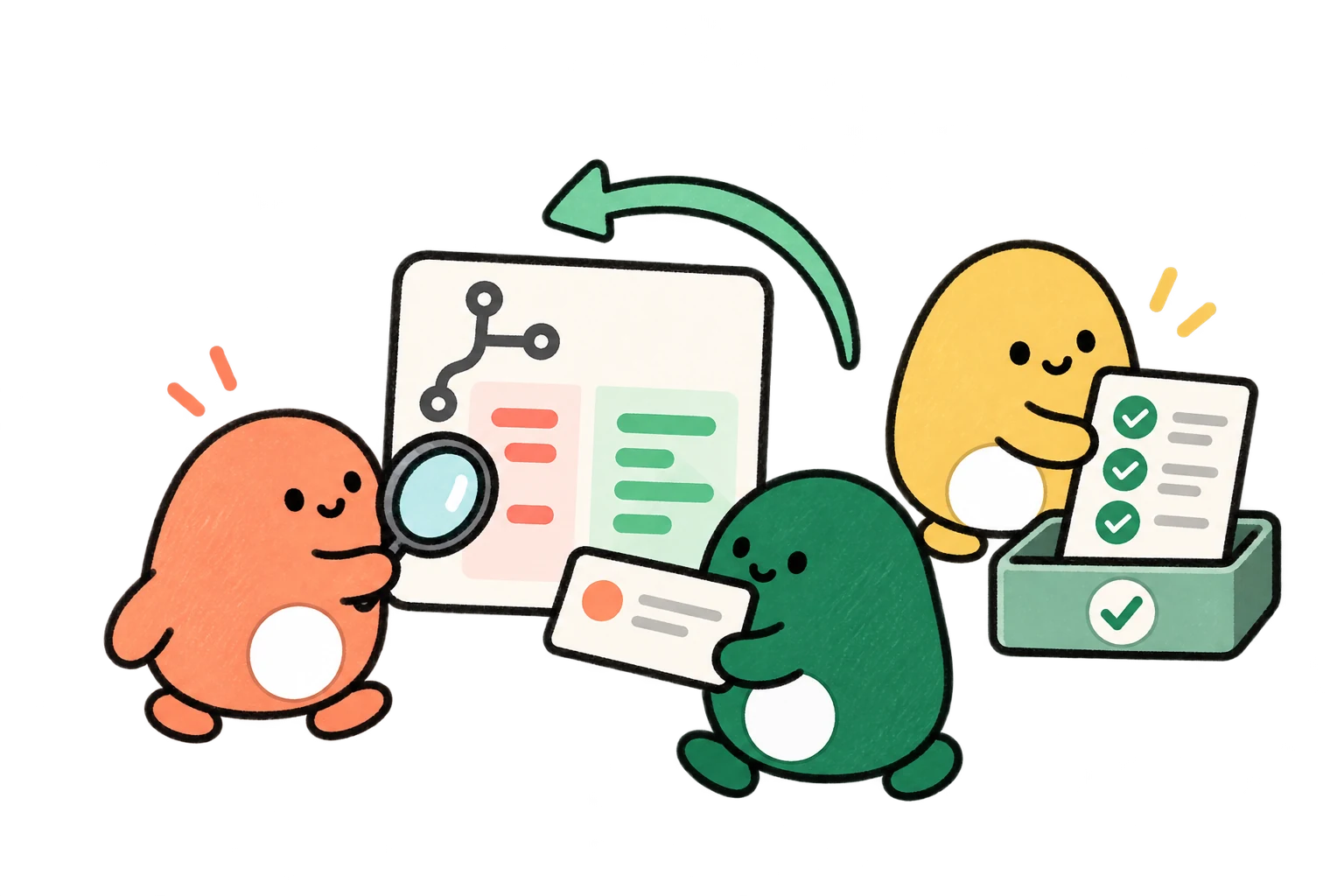
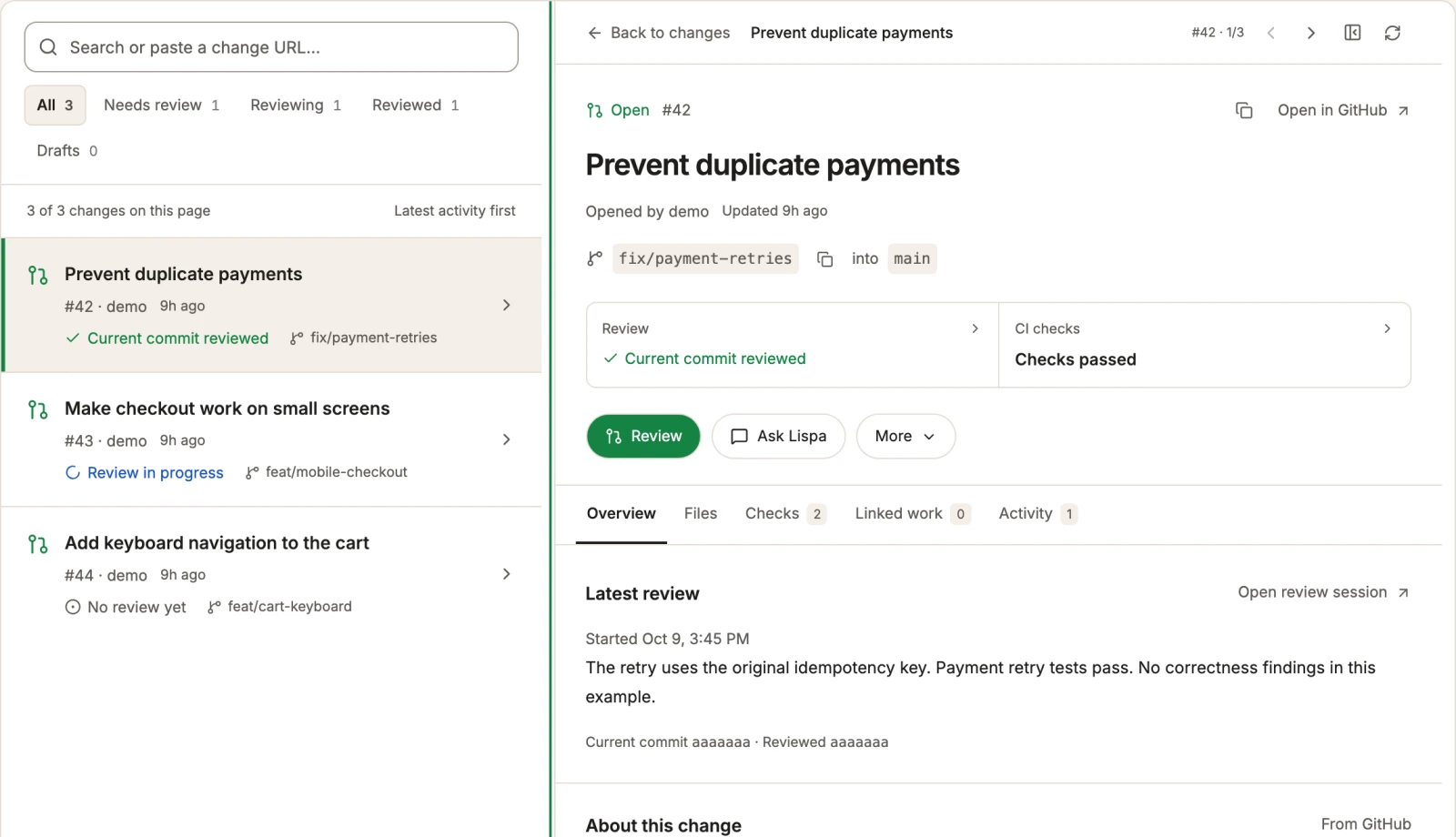
Pull requests, agent reviews, and CI checks share a view. Inspect the current change and its latest review before deciding what should ship.
 Claude
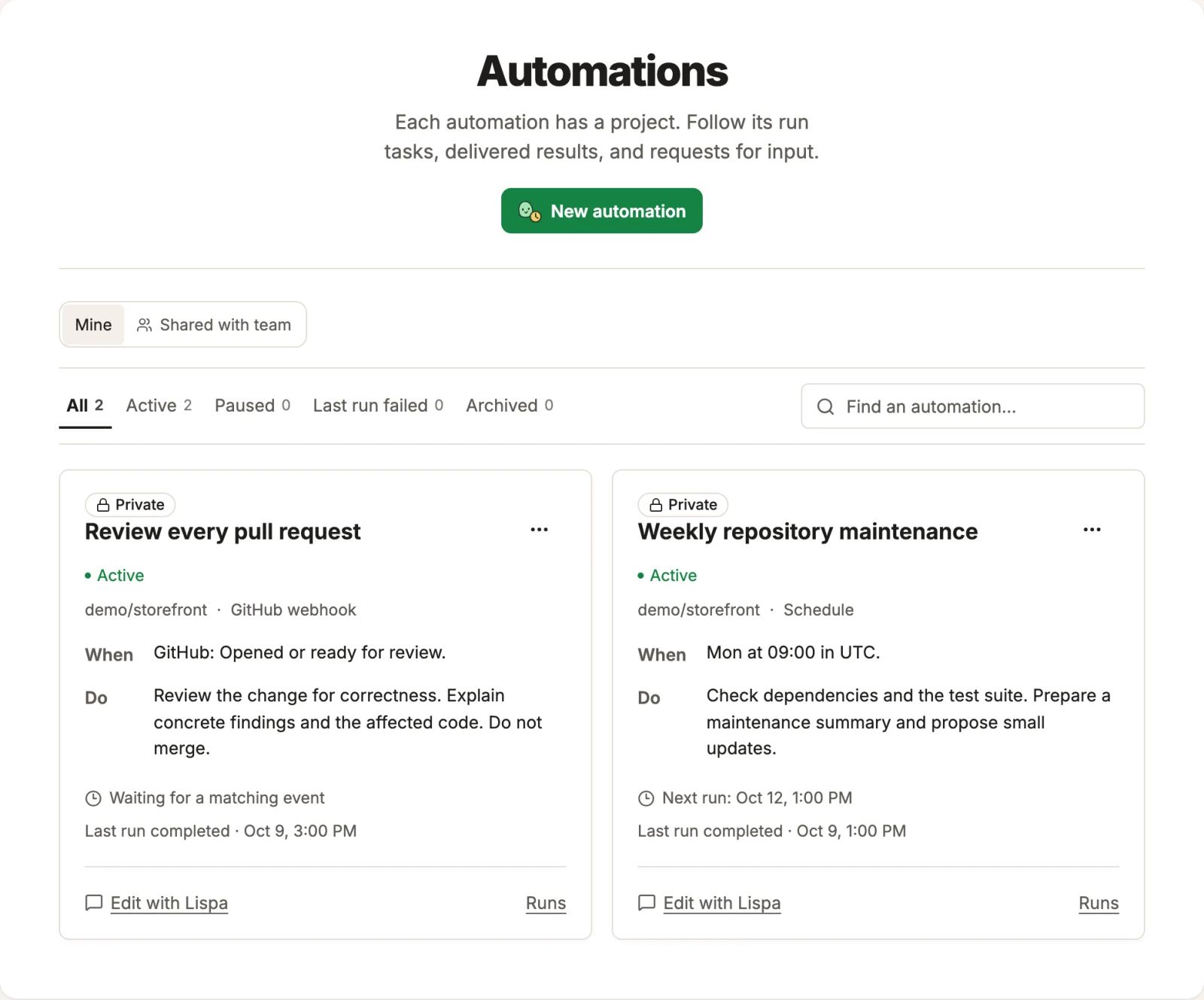
Review a new pull request or run a scheduled maintenance pass. See the instructions, the trigger, and the last run in one place.
 Claude
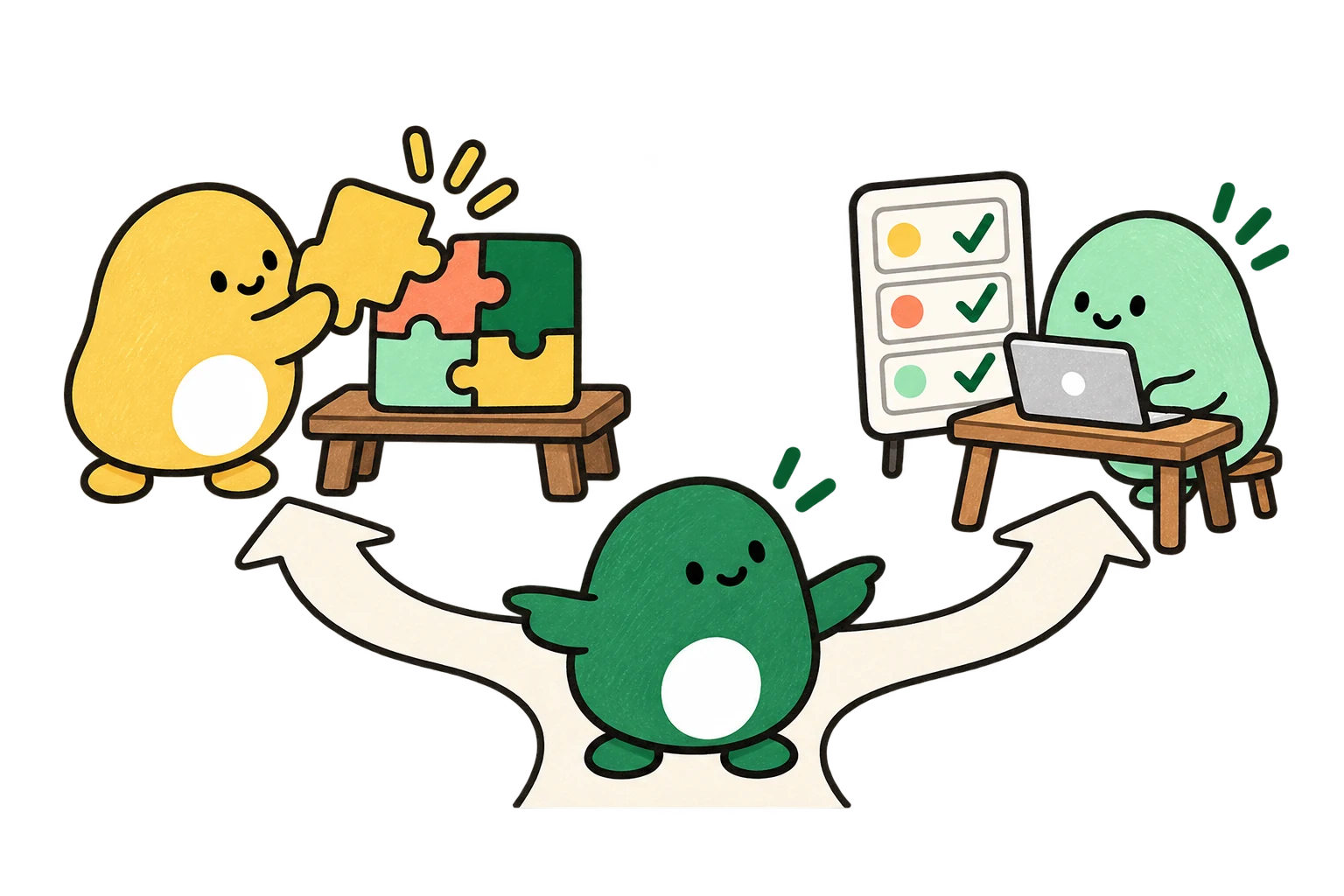
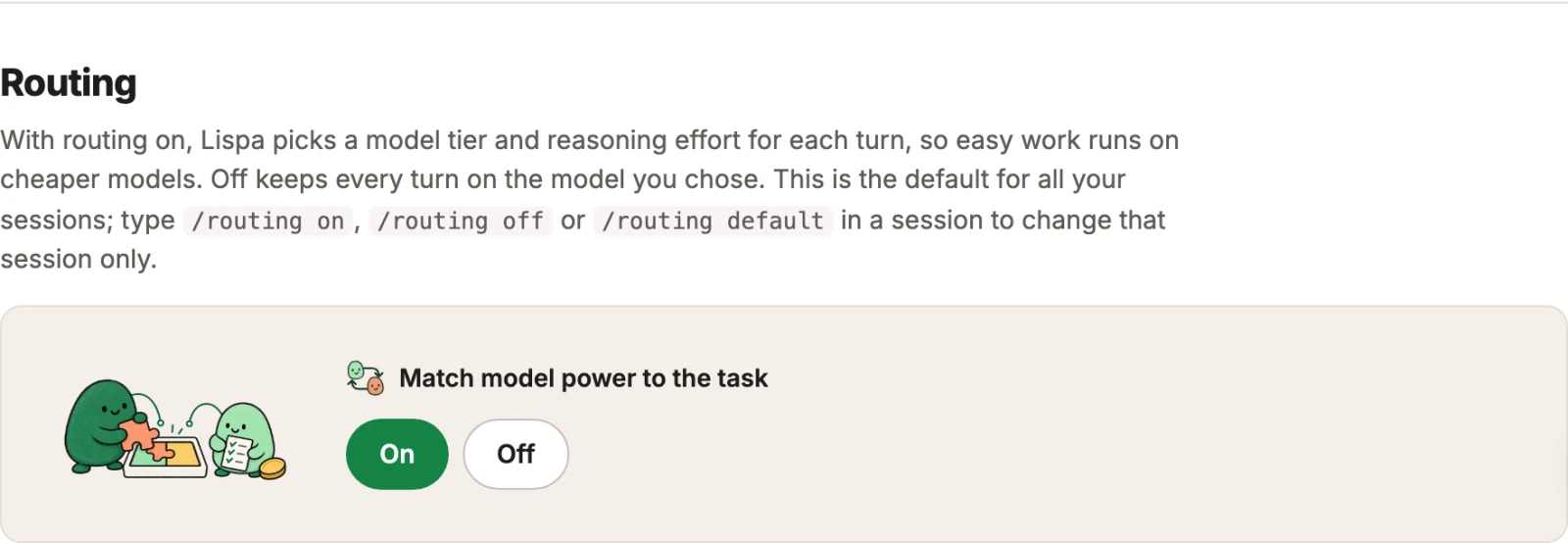
Let Lispa choose model power and reasoning effort for each turn, or keep the model you picked. Change the default or adjust an individual session.
 Claude
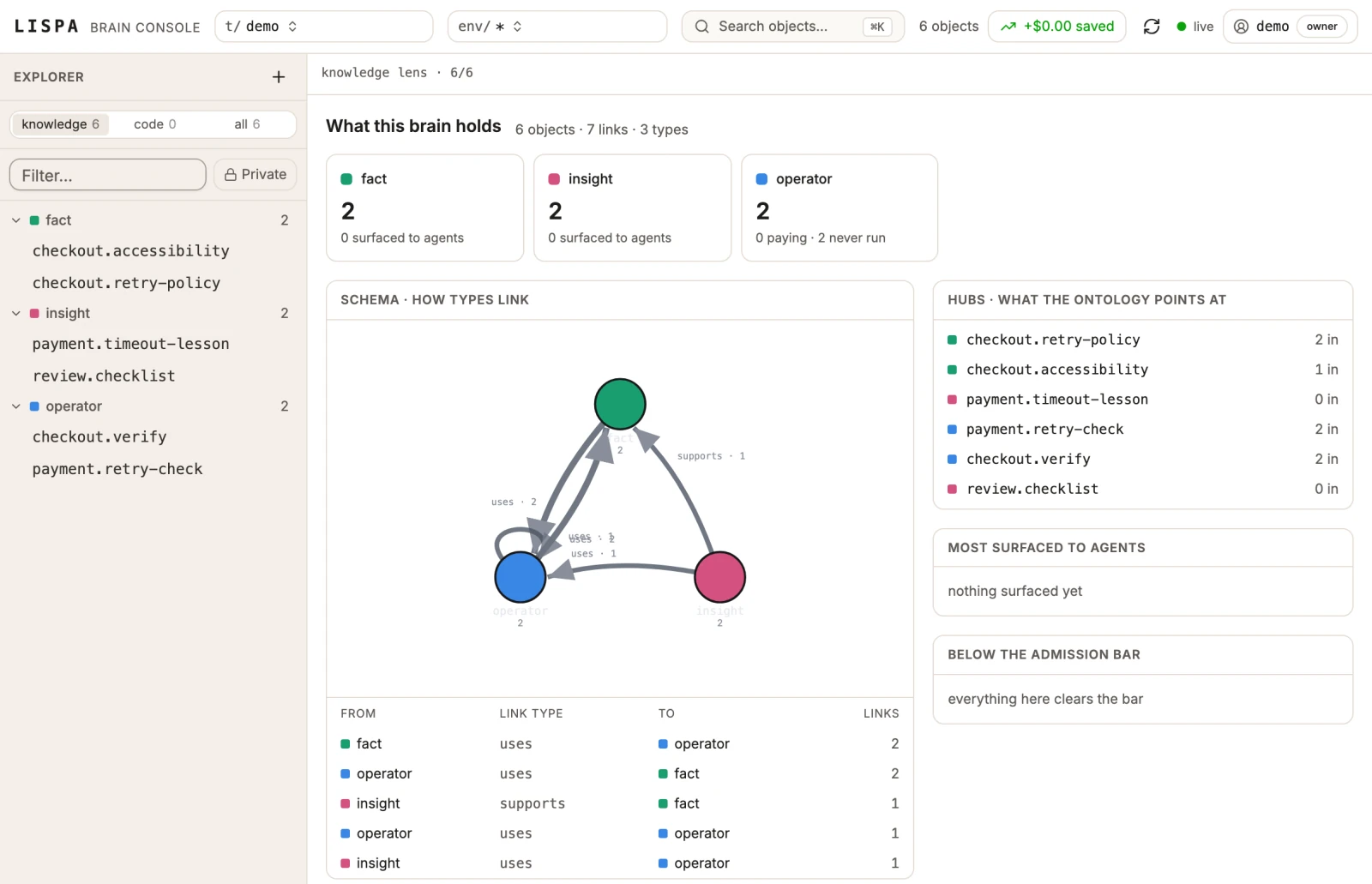
Keep useful facts, lessons, and reusable commands connected. Explore what the brain holds and how knowledge from one task relates to another.
 Claude
Follow usage over time, session counts, and estimated routing savings. Open the account view to understand the numbers behind the work.
 Claude
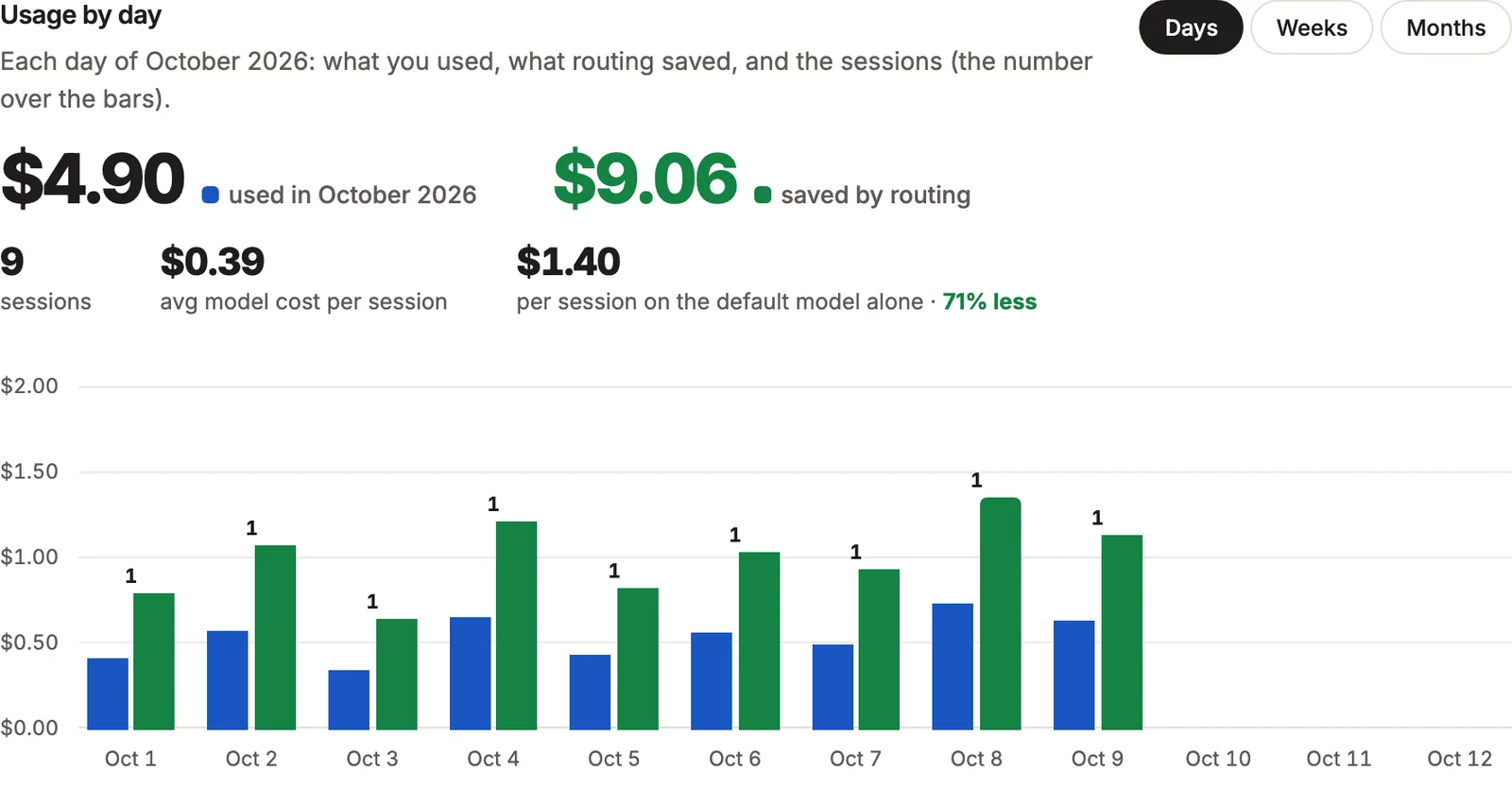
Demo amounts only. Routing savings are API-price estimates, not bills or promised savings.
Install Lispa. Then run claude as usual.
curl -fsSL https://lispa.ai/install.sh | sh16 industries. 48 starter briefs. Explore the software work Lispa can help your team move forward.
Scroll for more industries · Explore all 16 industries →
Unlimited members on every plan. 1 credit = $1.
More room for everyday work.
$100 / month
105 credits included monthly
For more tasks and parallel work.
$200+ / month
220+ credits included monthly
Per organization, billed monthly. Models, machines, and services use credits. USD + tax. Cancel any time.
Provider model cost + 10%. Connected personal plans and keys have no Lispa model-call charge; their own billing and limits apply.
Standard: 0.53 credits/hour while running. Larger sizes: 1.05 or 2.10 credits/hour. Machines stop when idle.
Tokens at 20% of the session model’s rates, even on your own plan.
$1 each, $5 minimum. Extra credits carry over; monthly plan credits reset. Auto top-up is off by default.
Machines and Lispa services use credits, even with your own subscription.
Yes. Give Lispa a task, and agents can work on code, tests, and reviews together.
Yes. Connect your Claude or ChatGPT plan, bring API keys, or use models included through Lispa credits. Provider limits apply.
On cloud Linux machines, in branches of your repo. You can also run Lispa from your terminal on macOS or Linux.
You do. Inspect the changes and checks, request another pass, or authorize the agents to push and merge.
No. Describe the work in plain language. Agents handle the reusable commands.
Yes, from Billing. Access lasts through the paid month.
 Your next pull request
From $100/month · Unlimited members · Cancel any time
More signup optionsLispa is raising a pre-seed round. Ask Tedj for the deck.